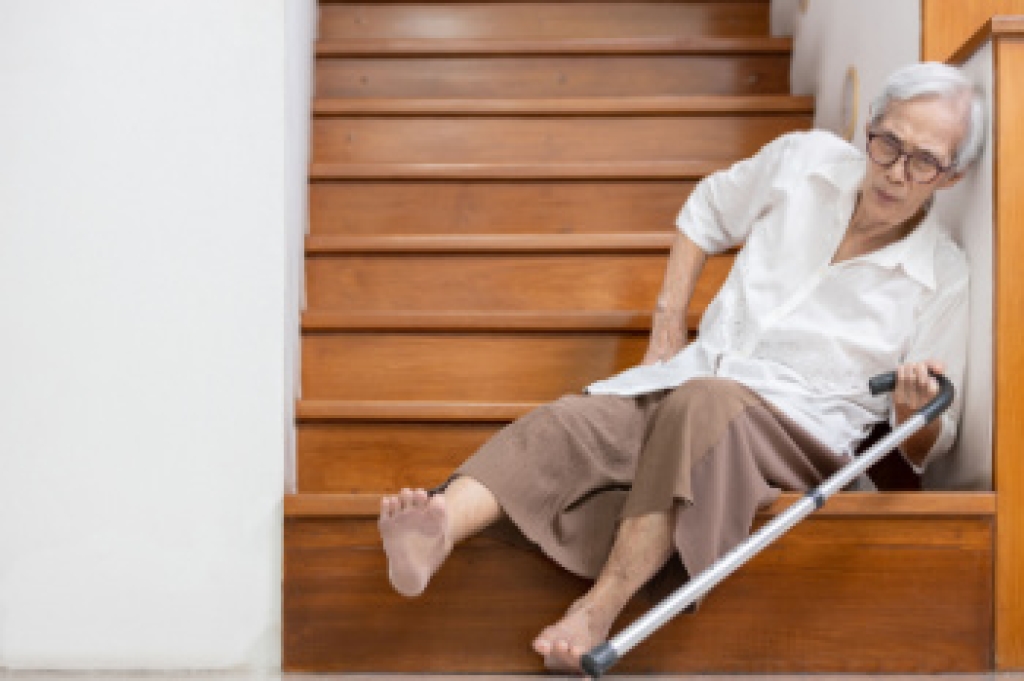
How Osteoarthritis Increases Fall Risk

Osteoarthritis can increase the risk of falling due to joint damage, stiffness, and reduced function that affect balance and mobility. As cartilage wears down, pain and a limited range of motion make walking and standing less stable. Poor mobility and weakened muscles can further contribute to instability, especially on uneven surfaces. Certain medications may also cause dizziness or affect coordination. Preventing falls involves creating a safer home by removing hazards, improving lighting, and using supportive footwear. Regular exercise can strengthen muscles and improve balance, while reviewing medications with a healthcare provider can reduce side effects. A podiatrist can assess gait, recommend proper footwear, and provide custom orthotics to enhance stability. If you have fallen or fear falling, it is suggested that you consult a podiatrist who can offer additional effective fall prevention tips.

Preventing falls among the elderly is very important. If you are older and have fallen or fear that you are prone to falling, consult with one of our podiatrists from Ankle & Foot Care Center. Our doctors will assess your condition and provide you with quality advice and care.

Every 11 seconds, an elderly American is being treated in an emergency room for a fall related injury. Falls are the leading cause of head and hip injuries for those 65 and older. Due to decreases in strength, balance, senses, and lack of awareness, elderly persons are very susceptible to falling. Thankfully, there are a number of things older persons can do to prevent falls.

How to Prevent Falls

Some effective methods that older persons can do to prevent falls include:

  • Enrolling in strength and balance exercise program to increase balance and strength
  • Periodically having your sight and hearing checked
  • Discuss any medications you have with a doctor to see if it increases the risk of falling
  • Clearing the house of falling hazards and installing devices like grab bars and railings
  • Utilizing a walker or cane
  • Wearing shoes that provide good support and cushioning
  • Talking to family members about falling and increasing awareness

Falling can be a traumatic and embarrassing experience for elderly persons; this can make them less willing to leave the house, and less willing to talk to someone about their fears of falling. Doing such things, however, will increase the likelihood of tripping or losing one’s balance. Knowing the causes of falling and how to prevent them is the best way to mitigate the risk of serious injury.  

If you have any questions, please feel free to contact our office located in Jupiter, FL . We offer the newest diagnostic and treatment technologies for all your foot care needs.
Read more about Falls Prevention

How Down Syndrome Can Affect Foot Health

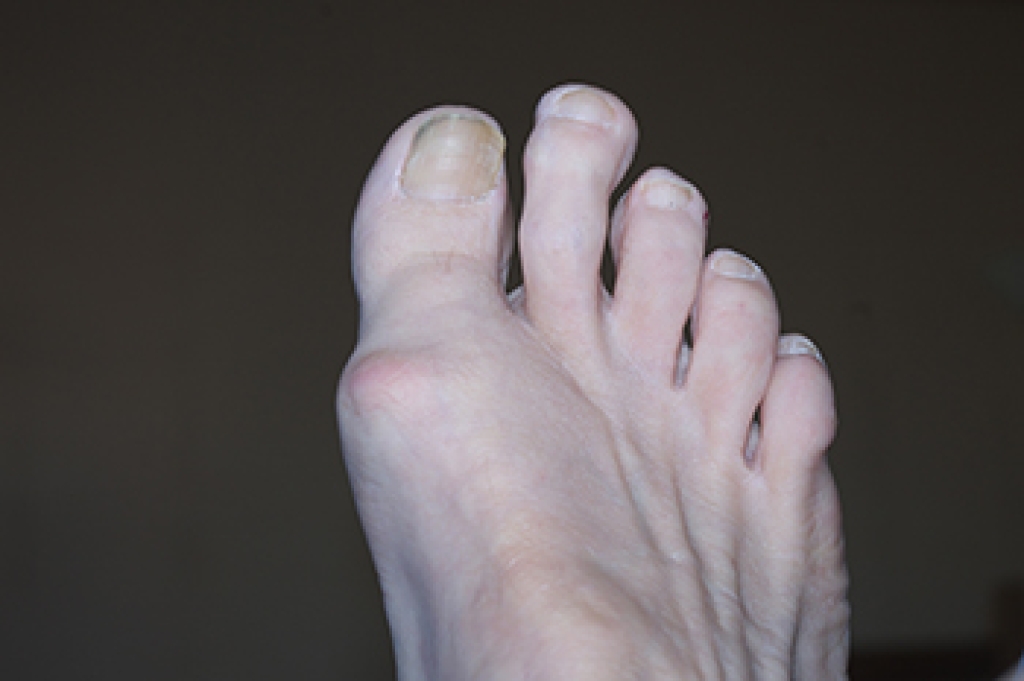
Down syndrome can affect the feet in several ways, often leading to pain and difficulty with walking. Many people with this condition have flat feet, which means the arch is low or absent, causing the foot to roll inward and affect balance. The front of the foot may also be wider than average, increasing the risk of a bunion, a bony bump that forms at the base of the big toe. Skin problems like calluses and dry or cracked skin are also common and can become painful. Toenail issues, including fungal or ingrown nails, may develop as well. Many of these changes can make it harder to find properly fitting shoes and may lead to ongoing foot pain. A podiatrist can evaluate foot structure, manage skin and nail conditions, and provide custom orthotic devices to improve alignment and support. If you or a loved one have foot pain resulting from Down syndrome, it is suggested that you make an appointment with a podiatrist for treatment.

When dealing with systemic disease of the feet, it is extremely important to check the affected areas routinely so that any additional problems are caught quickly.  If you have any concerns about your feet and ankles contact one of our podiatrists from Ankle & Foot Care Center. Our doctors will assist you with all of your podiatric needs.

Systemic Diseases of the Feet

Systemic diseases affect the whole body, and symptoms usually are displayed in the feet. This condition can make a patient’s ability to walk unbearable.  Systemic diseases include gout, diabetes mellitus, neurological disorders, and arthritis.

Gout – is caused by an excess of uric acid in the body. Common symptoms include pain, inflammation, and redness at the metatarsal/phalangeal joint of the base big toe. Gout can be treated by NSAIDs to relieve pain and inflammation, and other drugs that lower the acid levels in the body.

Diabetes mellitus – is an increase in the level of blood sugar that the body cannot counteract with its own insulin. Failure to produce enough insulin is a factor in Diabetes.

Diabetes of the Feet

Diabetic Neuropathy – may lead to damaged nerves and affect the feet through numbness and loss of sensation.

Peripheral Vascular Disease – can restrict the blood flow to the feet, and often times lead to amputation of the feet. 

If you have any questions please contact our office located in Jupiter, FL . We offer the newest diagnostic and treatment technologies for all your foot and ankle needs.

Read more about Systemic Diseases of the Foot

Dealing With a Longer 2nd Toe

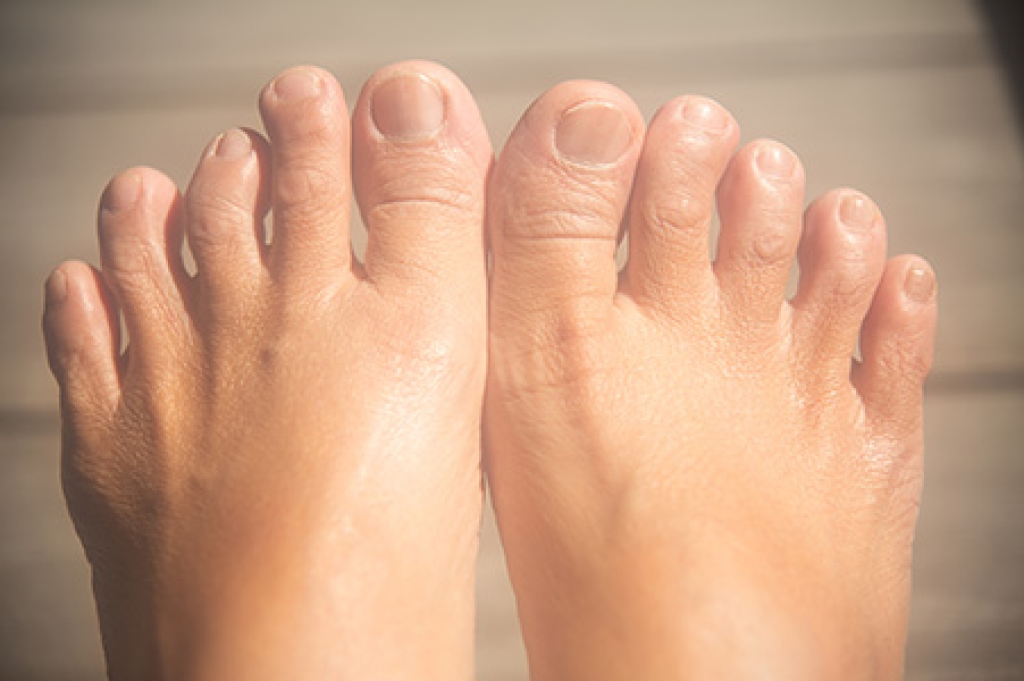
Some people have a second toe that appears longer than the big toe, often called Morton’s toe. It is actually caused by a shorter bone in the big toe and can change how weight is spread across the front of the foot. More pressure may shift onto the second toe. This can lead to pain, buildup of calluses, and soreness in the ball of the foot. This uneven pressure can affect how you walk and may place extra strain on nearby joints. A podiatrist can examine the foot, watch how you walk, and take X-rays to better understand bone position. Treatment options include custom shoe inserts to improve weight balance, protective padding, or surgery in more severe cases to adjust bone length. Early care can help reduce stress on the toes and improve comfort during daily activities. If you are experiencing such toe pain, it is suggested that you make an appointment with a podiatrist for treatment.

Toe pain can disrupt your daily activities. If you have any concerns, contact one of our podiatrists of Ankle & Foot Care Center. Our doctors can provide the care you need to keep you pain-free and on your feet.

What Causes Toe Pain?

Most severe toe pain is caused due to a sports injury, trauma from dropping something heavy on the toe, or bumping into something rigid. Other problems can develop over time for various reasons.

Toe pain can be caused by one or more ailments. The most common include:

  • Trauma
  • Sports injury
  • Wearing shoes that are too tight
  • Arthritis
  • Gout
  • Corns and calluses
  • Hammertoe
  • Bunions
  • Blisters
  • Ingrown toenails
  • Sprains
  • Fractures (broken bones)
  • Dislocations

When to See a Podiatrist

  • Severe pain
  • Persistent pain that lasts more than a week
  • Signs of infection
  • Continued swelling
  • Pain that prevents walking

Diagnosis

In many cases the cause of toe pain is obvious, but in others, a podiatrist may want to use more advanced methods to determine the problem. These can range from simple visual inspections and sensation tests to X-rays and MRI scans. Prior medical history, family medical history, and any recent physical traumatic events will all be taken into consideration for a proper diagnosis.

Treatment

Treatments for toe pain and injuries vary and may include shoe inserts, padding, taping, medicines, injections, and in some cases, surgery. If you believe that you have broken a toe, please see a podiatrist as soon as possible.

If you have any questions please contact our office located in Jupiter, FL . We offer the newest diagnostic and treatment technologies for all your foot and ankle needs.

Read more about Toe Pain

Types of Corns on the Feet

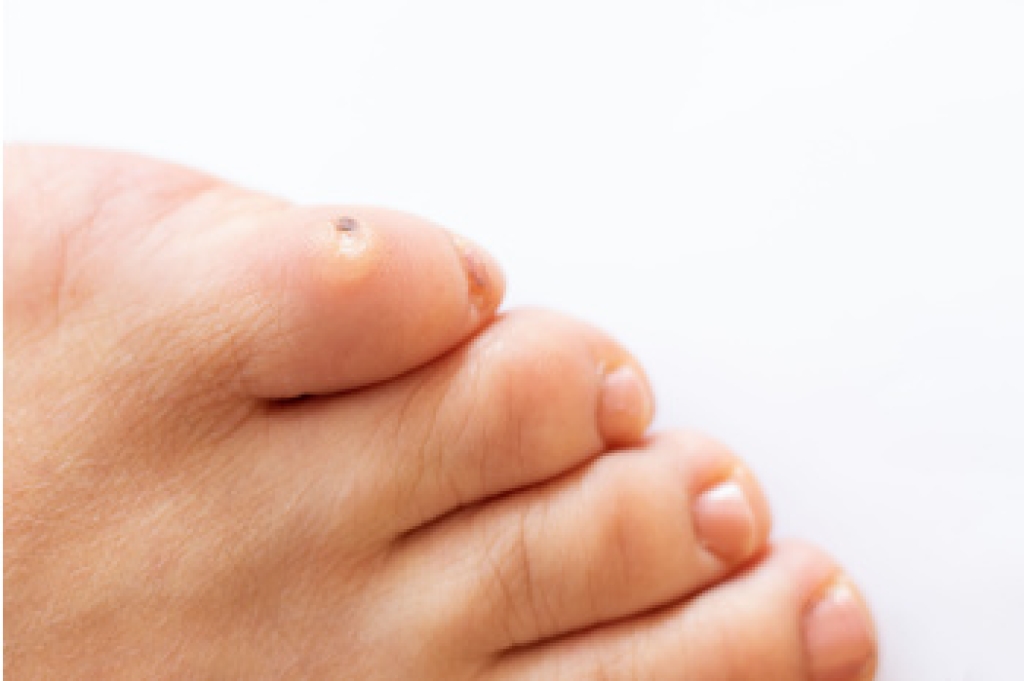
Corns are thickened areas of skin that develop due to  stress on the foot. They form as a protective response to repeated pressure or friction, and may affect gait and cause considerable pain. Hard corns are dense and typically appear on the tops of toes or pressure points. Soft corns develop between toes where moisture is present and often appear whitish and tender. Seed corns are small and form on the bottom of the foot, sometimes in clusters. Symptoms include localized pain, thickened skin, and discomfort while walking. Risk factors include wearing ill-fitting shoes, foot deformities, and repetitive friction. A podiatrist can safely remove corns, relieve pressure, and recommend proper footwear. If you have developed a corn on your foot, it is suggested that you consult a podiatrist who can offer effective relief and prevention tips.

Corns can make walking very painful and should be treated immediately. If you have questions regarding your feet and ankles, contact one of our podiatrists of Ankle & Foot Care Center. Our doctors will treat your foot and ankle needs.

Corns: What Are They? And How Do You Get Rid of Them?
Corns are thickened areas on the skin that can become painful. They are caused by excessive pressure and friction on the skin. Corns press into the deeper layers of the skin and are usually round in shape.

Ways to Prevent Corns
There are many ways to get rid of painful corns such as:

  • Wearing properly fitting shoes that have been measured by a professional
  • Wearing shoes that are not sharply pointed or have high heels
  • Wearing only shoes that offer support

Treating Corns

Although most corns slowly disappear when the friction or pressure stops, this isn’t always the case. Consult with your podiatrist to determine the best treatment option for your case of corns.

If you have any questions, please feel free to contact our office located in Jupiter, FL . We offer the newest diagnostic and treatment technologies for all your foot care needs.
Read more about Everything You Need to Know About Corns

Heel Pain Can Be Treated!

Do you suffer from heel pain when you get up in the morning? If so, you should seek professional help and have a proper diagnosis performed. Heel pain can be caused by several different foot-related conditions.

Connect With Us

scroll to top