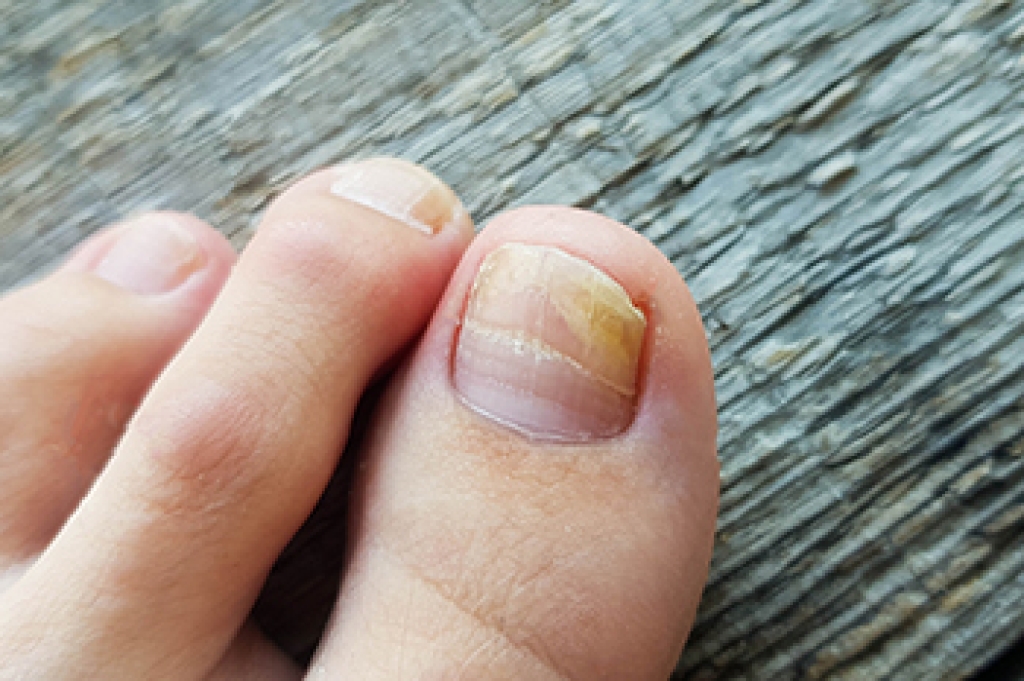
Toenail Fungus and How It Develops

Toenail fungus affects the nail and the skin beneath it. It begins when fungi enter through small cracks and slowly spread under the nail surface, leading to infection. Symptoms often include thickened, brittle, and yellow discolored nails that may become difficult to trim. Risk factors include older age, exposure to someone with the infection, and warm, moist environments that support fungal growth. Without treatment, the condition can worsen and affect multiple nails. Early recognition and care are important to maintain healthy, strong nails and prevent further spread. If you have symptoms of toenail fungus, it is suggested that you consult a podiatrist who can effectively treat this condition, which may include prescribed medication.

For more information about treatment, contact one of our podiatrists of Ankle & Foot Care Center. Our doctors can provide the care you need to keep you pain-free and on your feet.

Toenail Fungus Treatment

Toenail fungus is a condition that affects many people and can be especially hard to get rid of. Fortunately, there are several methods to go about treating and avoiding it.

Antifungals & Deterrence

Oral antifungal medicine has been shown to be effective in many cases. It is important to consult with a podiatrist to determine the proper regiment for you, or potentially explore other options.

Applying foot powder on the feet and shoes helps keep the feet free of moisture and sweat.

Sandals or open toed shoes – Wearing these will allow air movement and help keep feet dry. They also expose your feet to light, which fungus cannot tolerate. Socks with moisture wicking material also help as well.

If you have any questions please contact our office located in Jupiter, FL . We offer the newest diagnostic and treatment technologies for all your foot and ankle needs.

Read more about How to Treat Your Toenail Fungus

Healthy Feet Matter More With Age

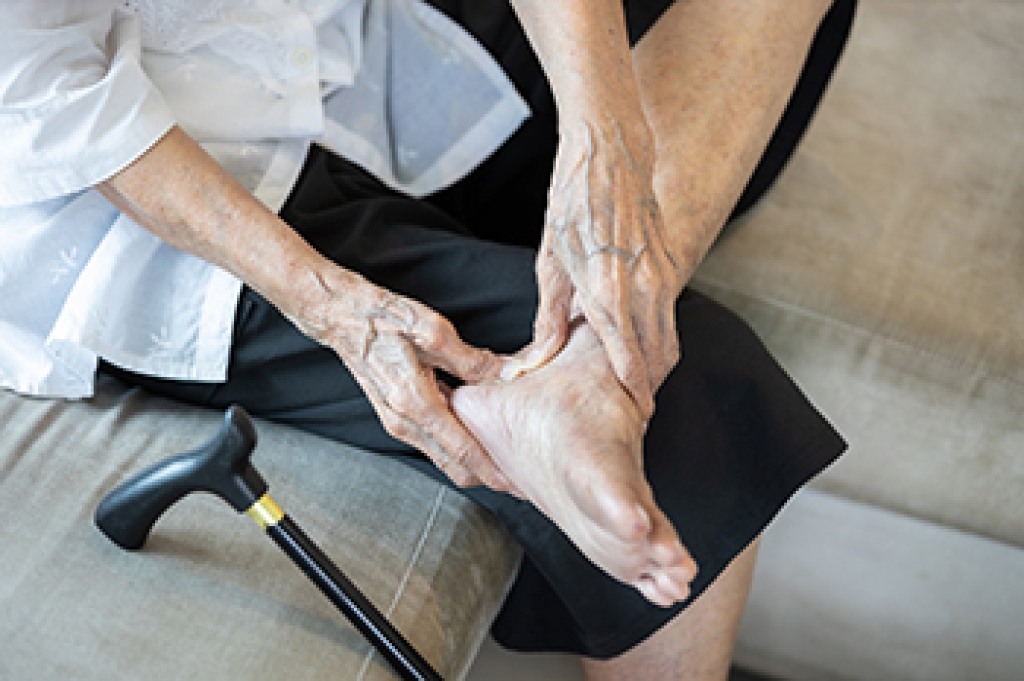
Foot care becomes especially important as people grow older because the skin, joints, and circulation of the feet can change over time. Small problems such as dry skin, thick nails, or poorly fitting shoes can quickly turn into painful conditions if they are not addressed early. Maintaining healthy feet helps support balance, mobility, and independence. One of the most important steps is wearing properly fitting shoes that provide support, cushioning, and enough room for the toes. Shoes that are too tight or worn out can lead to pressure points, blisters, or joint pain. Daily hygiene is also essential. Feet should be washed with mild soap, dried carefully between the toes, and moisturized to prevent cracking skin. Toenails should be trimmed straight across and not cut too short to help avoid ingrown nails. Regular foot checks are helpful for noticing redness, swelling, or skin changes early. If you are experiencing foot discomfort or changes in your feet, it is suggested that you make an appointment with a podiatrist.

Proper foot care is something many older adults forget to consider. If you have any concerns about your feet and ankles, contact one of our podiatrists from Ankle & Foot Care Center. Our doctors can provide the care you need to keep you pain-free and on your feet.

The Elderly and Their Feet

As we age we start to notice many changes in our body, but the elder population may not notice them right away. Medical conditions may prevent the elderly to take notice of their foot health right away. Poor vision is a lead contributor to not taking action for the elderly.

Common Conditions 

  • Neuropathy – can reduce feeling in the feet and can hide many life-threatening medical conditions.
  • Reduced flexibility – prevents the ability of proper toenail trimming, and foot cleaning. If left untreated, it may lead to further medical issues.
  • Foot sores – amongst the older population can be serious before they are discovered. Some of the problematic conditions they may face are:
  • Gouging toenails affecting nearby toe
  • Shoes that don’t fit properly
  • Pressure sores
  • Loss of circulation in legs & feet
  • Edema & swelling of feet and ankles

Susceptible Infections

Diabetes and poor circulation can cause general loss of sensitivity over the years, turning a simple cut into a serious issue.

If you have any questions, please feel free to contact our office located in Jupiter, FL . We offer the newest diagnostic and treatment technologies for all your foot care needs.

Read more about Elderly Foot Care

Preventing Falls in Seniors

Preventing falls in older adults is essential for maintaining independence and overall well-being. Many factors can increase fall risk, including balance and strength changes, vision or hearing loss, and chronic conditions. Medication side effects and foot problems are other factors. Weak muscles and reduced coordination may make walking less stable, while poor vision or hearing can affect awareness of surroundings. Painful foot conditions, improper footwear, and poor foot alignment may also increase the likelihood of losing balance. Risk of falling can increase when several of these concerns occur together. A podiatrist can evaluate foot structure, treat painful conditions, and recommend supportive footwear or custom orthotic devices to improve stability and comfort. If you or a loved one have fallen and are concerned about fall risk, it is suggested that you consult a podiatrist who can treat various foot conditions, and guide you on additional fall prevention techniques.

Preventing falls among the elderly is very important. If you are older and have fallen or fear that you are prone to falling, consult with one of our podiatrists from Ankle & Foot Care Center. Our doctors will assess your condition and provide you with quality advice and care.

Every 11 seconds, an elderly American is being treated in an emergency room for a fall related injury. Falls are the leading cause of head and hip injuries for those 65 and older. Due to decreases in strength, balance, senses, and lack of awareness, elderly persons are very susceptible to falling. Thankfully, there are a number of things older persons can do to prevent falls.

How to Prevent Falls

Some effective methods that older persons can do to prevent falls include:

  • Enrolling in strength and balance exercise program to increase balance and strength
  • Periodically having your sight and hearing checked
  • Discuss any medications you have with a doctor to see if it increases the risk of falling
  • Clearing the house of falling hazards and installing devices like grab bars and railings
  • Utilizing a walker or cane
  • Wearing shoes that provide good support and cushioning
  • Talking to family members about falling and increasing awareness

Falling can be a traumatic and embarrassing experience for elderly persons; this can make them less willing to leave the house, and less willing to talk to someone about their fears of falling. Doing such things, however, will increase the likelihood of tripping or losing one’s balance. Knowing the causes of falling and how to prevent them is the best way to mitigate the risk of serious injury.  

If you have any questions, please feel free to contact our office located in Jupiter, FL . We offer the newest diagnostic and treatment technologies for all your foot care needs.

Read more about Falls Prevention

Risk Factors of Cracked Heels

Cracked heels are splits or fissures in the skin along the edge of the heel that develop when dry, thickened skin loses elasticity and splits under pressure. This condition often begins with roughness and callus formation and can progress to painful cracks that may bleed. Common causes include prolonged standing, open-back footwear, obesity, dry climates, and poor skin hydration. Risk factors also include diabetes, eczema, and other conditions that affect circulation or skin health. Symptoms may involve itching, flaking, discomfort while walking, and visible deep fissures. A podiatrist can safely remove thickened skin, recommend medical grade moisturizers, and address underlying causes. If you have cracked heels, it is suggested that you consult a podiatrist who can offer effective relief and treatment solutions, which may include prescribed medication. 

Cracked heels are unsightly and can cause further damage to your shoes and feet. If you have any concerns, contact one of our podiatrists from Ankle & Foot Care Center. Our doctors can provide the care you need to keep you pain-free and on your feet.

Cracked Heels

Cracked heels appear unappealing and can make it harder for you walk around in sandals. Aside from looking unpleasant, cracked heels can also tear stockings, socks, and wear out your shoes. There are several methods to help restore a cracked heel and prevent further damage.

How Do You Get Them?

Dry skin is the number one culprit in creating cracked heels. Many athletes, walkers, joggers, and even swimmers suffer from cracked heels. Age and skin oil production play a role to getting cracked heels as well.

Promote Healing

Over the counter medicines can help, especially for those that need instant relief or who suffer from chronic dry feet.

Wear Socks – Wearing socks with medicated creams helps lock in moisture.

Moisturizers – Applying both day and night will help alleviate dryness which causes cracking.

Pumice Stones – These exfoliate and remove dead skin, which allows for smoother moisturizer application and better absorption into the skin. 

Change in Diet

Eating healthy with a well-balanced diet will give the skin a fresh and radiant look. Your body responds to the kinds of food you ingest. Omega-3 fatty acids and zinc supplements can also revitalize skin tissue.

Most importantly, seek professional help if unsure how to proceed in treating cracked heels. A podiatrist will help you with any questions or information needed. 

If you have any questions, please feel free to contact our office located in Jupiter, FL . We offer the newest diagnostic and treatment technologies for all your foot care needs.

Read more about Solutions for Cracked Heels

Circulation Problems and Foot Ulcers

Poor circulation is a concern for people with diabetes because narrowed blood vessels reduce oxygen flow to the feet. When tissues lack blood, small pressure areas can break into open sores called foot ulcers, often on the ball of the foot or under the big toe. These wounds may not hurt when nerve damage is present, yet infection can spread to deeper structures, including bone. Some people notice calf cramping while walking, a sign of reduced circulation. A podiatrist measures blood flow, checks sensation, and evaluates the ulcer’s depth and infection risk. Care may involve removing unhealthy tissue, imaging to rule out bone infection, and protective footwear or casting to relieve pressure and support healing. Coordinated medical management is essential to prevent recurrence and monitor healing progress. If you have foot problems related to diabetes, it is suggested that you make an appointment with a podiatrist for an exam, diagnosis, and ongoing treatment.

Diabetic foot care is important in preventing foot ailments such as ulcers. If you are suffering from diabetes or have any other concerns about your feet, contact one of our podiatrists from Ankle & Foot Care Center. Our doctors can provide the care you need to keep you pain-free and on your feet.

Diabetic Foot Care

Diabetes affects millions of people every year. The condition can damage blood vessels in many parts of the body, especially the feet. Because of this, taking care of your feet is essential if you have diabetes, and having a podiatrist help monitor your foot health is highly recommended.

The Importance of Caring for Your Feet

  • Routinely inspect your feet for bruises or sores.
  • Wear socks that fit your feet comfortably.
  • Wear comfortable shoes that provide adequate support.

Patients with diabetes should have their doctor monitor their blood levels, as blood sugar levels play such a huge role in diabetic care. Monitoring these levels on a regular basis is highly advised.

It is always best to inform your healthcare professional of any concerns you may have regarding your feet, especially for diabetic patients. Early treatment and routine foot examinations are keys to maintaining proper health, especially because severe complications can arise if proper treatment is not applied.

If you have any questions, please feel free to contact our office located in Jupiter, FL . We offer the newest diagnostic and treatment technologies for all your foot care needs.

Read more about Diabetic Foot Care

Connect With Us

scroll to top