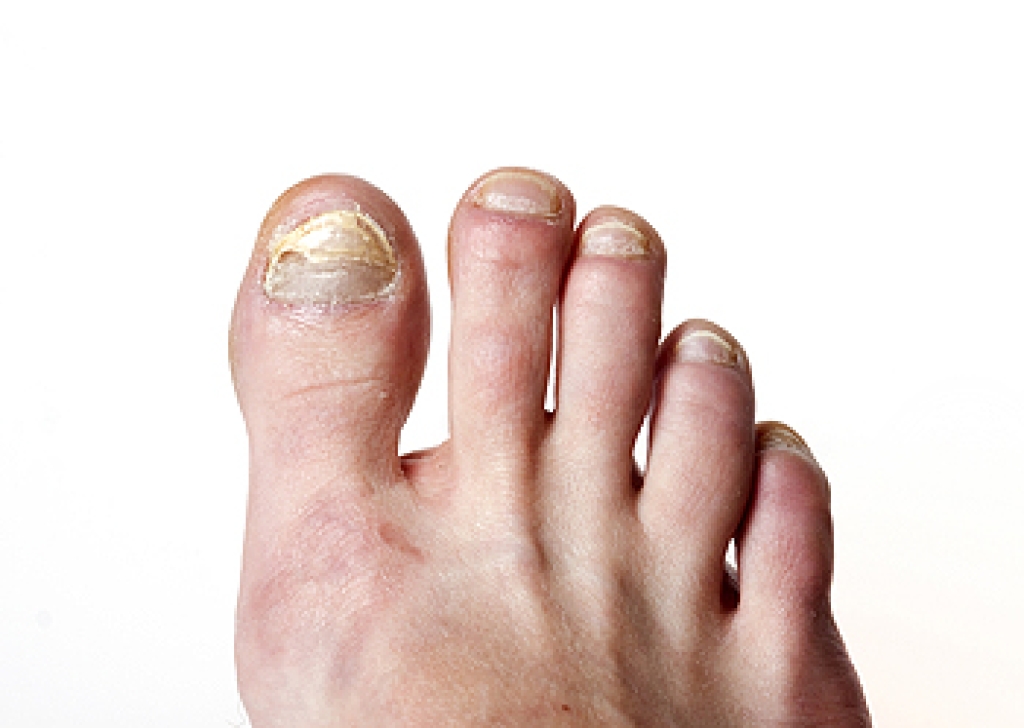
An Overview of Toenail Fungus

Toenail fungus, or onychomycosis, is a common but often underestimated condition that can affect individuals of all ages. It typically starts with a minor discoloration or a small white spot beneath the nail. As it progresses, the nail may become discolored, thickened, and brittle. In some cases, it can lead to pain and a foul odor. Toenail fungus is caused by various types of fungi that thrive in warm, damp environments, such as the insides of shoes. Factors like poor foot hygiene, compromised immune systems, and preexisting nail or skin conditions can increase susceptibility. Untreated toenail fungus can be aesthetically unpleasant and, in some cases, lead to complications. Early intervention is essential to prevent the condition from worsening. Understanding the basics of toenail fungus is the first step toward recognizing, treating, and preventing this ailment. If you have developed toenail fungus, it is strongly suggested that you are under the care of a podiatrist who can properly diagnose this condition, and offer treatment solutions that are right for you.

For more information about treatment, contact one of our podiatrists of Ankle & Foot Care Center. Our doctors can provide the care you need to keep you pain-free and on your feet.

Toenail Fungus Treatment

Toenail fungus is a condition that affects many people and can be especially hard to get rid of. Fortunately, there are several methods to go about treating and avoiding it.

Antifungals & Deterrence

Oral antifungal medicine has been shown to be effective in many cases. It is important to consult with a podiatrist to determine the proper regiment for you, or potentially explore other options.

Applying foot powder on the feet and shoes helps keep the feet free of moisture and sweat.

Sandals or open toed shoes – Wearing these will allow air movement and help keep feet dry. They also expose your feet to light, which fungus cannot tolerate. Socks with moisture wicking material also help as well.

If you have any questions please contact our office located in Jupiter, FL . We offer the newest diagnostic and treatment technologies for all your foot and ankle needs.


Read more about Treating Toenail Fungus

Foot Care Tips for Diabetics

Diabetics should make it a habit to thoroughly inspect their feet daily. Pay close attention to the gaps between your toes, the soles of your feet, and your toenails. If you notice any wounds, sores, or abnormalities, consult a podiatrist promptly. Choosing well-fitting shoes and socks is vital. Ill-fitting footwear can lead to discomfort and potentially dangerous issues, especially for those with diabetic neuropathy, which causes reduced sensation in the feet. People with neuropathy may not feel the pain of a foot sore, leading to wound neglect and infection. Regularly wash your feet with warm water to keep them clean and free from dirt and pathogens. Dry them thoroughly and apply a mild moisturizer to the soles and the tops of your feet, excluding the gaps between your toes. Avoid going barefoot, even at home. Wear shoes outdoors and opt for socks when indoors to protect your feet from injury. Incorporate daily physical activity, such as walking, to boost blood circulation to your legs and feet and help to prevent diabetic neuropathy. Trim your toenails or trim them with extreme caution to avoid injuries, ingrown nails, or skin chipping. Neglected wounds can escalate to gangrene, a severe condition that may necessitate amputation. It is suggested that you make a podiatrist a part of your medical team to regularly monitor your feet' health.

Diabetic foot care is important in preventing foot ailments such as ulcers. If you are suffering from diabetes or have any other concerns about your feet, contact one of our podiatrists from Ankle & Foot Care Center. Our doctors can provide the care you need to keep you pain-free and on your feet.

Diabetic Foot Care

Diabetes affects millions of people every year. The condition can damage blood vessels in many parts of the body, especially the feet. Because of this, taking care of your feet is essential if you have diabetes, and having a podiatrist help monitor your foot health is highly recommended.

The Importance of Caring for Your Feet

  • Routinely inspect your feet for bruises or sores.
  • Wear socks that fit your feet comfortably.
  • Wear comfortable shoes that provide adequate support.

Patients with diabetes should have their doctor monitor their blood levels, as blood sugar levels play such a huge role in diabetic care. Monitoring these levels on a regular basis is highly advised.

It is always best to inform your healthcare professional of any concerns you may have regarding your feet, especially for diabetic patients. Early treatment and routine foot examinations are keys to maintaining proper health, especially because severe complications can arise if proper treatment is not applied.

If you have any questions, please feel free to contact our office located in Jupiter, FL . We offer the newest diagnostic and treatment technologies for all your foot care needs.

Read more about Diabetic Foot Care

Healthy Feet Can Begin With Everyday Foot Care

Having smooth, healthy feet is not just about aesthetics, it is essential for overall comfort and well-being. Fortunately, achieving this goal does not require fancy treatments or expensive products. Consistent everyday foot care can make a significant difference. Start with regularly washing and drying your feet daily, using mild soap and warm water. Make sure to dry them thoroughly, especially between the toes, to prevent moisture-related issues such as athlete's foot. Moisturizing the feet is important in keeping the feet smooth. Appling a good quality foot cream or lotion can help to keep your skin hydrated, preventing dryness and cracking. Pay extra attention to the heels, where dry skin is most common. Trim your toenails straight across to prevent ingrown nails, and wear well-fitting shoes that have adequate support. Rotate your shoe choices to avoid putting excessive pressure on one area of your feet. Lastly, incorporate foot exercises into your routine to improve flexibility and circulation. A simple toe wiggling or calf stretching routine can work wonders. With these everyday foot care habits, you can maintain smooth, healthy feet that feel comfortable and look great. If you would like more information about everyday foot care tips, it is suggested that you contact a podiatrist.

Everyday foot care is very important to prevent infection and other foot ailments. If you need your feet checked, contact one of our podiatrists from Ankle & Foot Care Center. Our doctors can provide the care you need to keep you pain-free and on your feet.

Everyday Foot Care

Often, people take care of their bodies, face and hair more so than they do for their feet. But the feet are a very important aspect of our bodies, and one that we should pay more attention to. Without our feet, we would not be able to perform most daily tasks.

It is best to check your feet regularly to make sure there are no new bruises or cuts that you may not have noticed before. For dry feet, moisturizer can easily be a remedy and can be applied as often as necessary to the affected areas. Wearing shoes that fit well can also help you maintain good foot health, as well as making it easier to walk and do daily activities without the stress or pain of ill-fitting shoes, high heels, or even flip flops. Wearing clean socks with closed shoes is important to ensure that sweat and bacteria do not accumulate within the shoe. Clean socks help to prevent Athlete’s foot, fungi problems, bad odors, and can absorb sweat.

If you have any questions, please feel free to contact our office located in Jupiter, FL . We offer the newest diagnostic and treatment technologies for all your foot care needs.

Read more about Everyday Foot Care

Managing a Broken Toe That Will Not Heal

A broken toe is a common injury, and can cause difficulty if it does not heal. Several factors can contribute to a broken toe that doesn’t mend as expected. Misdiagnosis can sometimes occur, where a toe injury may be more severe than initially believed. This may lead to a delayed diagnosis or inadequate treatment. Additionally, tiny hairline fractures, known as stress fractures, can be challenging to detect, and may not heal properly if not identified. Poor immobilization, with inadequately fitted splints or casts, can hinder the healing process. Medical conditions, such as diabetes or vascular disease, can slow down the healing process. Also, continuous stress on the broken toe, such as excessive walking or standing, can impede proper healing. Lastly, untreated or undetected infections in or around the broken toe can further obstruct the healing process. If you are dealing with a broken toe that does not seem to be healing, it is strongly suggested that you consult a podiatrist promptly. This medically trained foot doctor can identify the underlying cause and recommend a treatment plan appropriate to the cause.

A broken toe can be very painful and lead to complications if not properly fixed. If you have any concerns about your feet, contact one of our podiatrists from Ankle & Foot Care Center. Our doctors will treat your foot and ankle needs.

What to Know About a Broken Toe

Although most people try to avoid foot trauma such as banging, stubbing, or dropping heavy objects on their feet, the unfortunate fact is that it is a common occurrence. Given the fact that toes are positioned in front of the feet, they typically sustain the brunt of such trauma. When trauma occurs to a toe, the result can be a painful break (fracture).

Symptoms of a Broken Toe

  • Throbbing pain
  • Swelling
  • Bruising on the skin and toenail
  • The inability to move the toe
  • Toe appears crooked or disfigured
  • Tingling or numbness in the toe

Generally, it is best to stay off of the injured toe with the affected foot elevated.

Severe toe fractures may be treated with a splint, cast, and in some cases, minor surgery. Due to its position and the pressure it endures with daily activity, future complications can occur if the big toe is not properly treated.

If you have any questions, please feel free to contact our office located in Jupiter, FL . We offer the newest diagnostic and treatment technologies for all your foot care needs.

Read more about What to Know About a Broken Toe

Are Bunions Affecting Your Everyday Life?

Have you noticed a bony protrusion on the side of your big toe? If so, you may have developed the foot condition known as a bunion. Don't let bunions interfere with your daily activities.

Connect With Us

scroll to top