Facts About Ingrown Toenails

An ingrown toenail occurs when the edge of a nail grows into the surrounding skin, causing irritation and pain. This condition often appears as redness, swelling, and tenderness along the nail border, and may lead to drainage or infection if untreated. Common causes include improper nail trimming, tight footwear, toe injuries, and natural nail shape. Risk factors include diabetes, poor circulation, excessive sweating, and repetitive pressure on the toes. A podiatrist can relieve discomfort by removing the ingrown portion safely, treating infection, and guiding proper nail growth. They may also address underlying nail deformities, provide guidance on footwear, and use specialized techniques to prevent recurrence while protecting surrounding tissue. If you have a painful ingrown toenail, it is suggested that you consult a podiatrist who can offer effective treatment, which may include minor surgery.

Ingrown toenails may initially present themselves as a minor discomfort, but they may progress into an infection in the skin without proper treatment. For more information about ingrown toenails, contact one of our podiatrists of Ankle & Foot Care Center. Our doctors can provide the care you need to keep you pain-free and on your feet.

Ingrown Toenails

Ingrown toenails are caused when the corner or side of a toenail grows into the soft flesh surrounding it. They often result in redness, swelling, pain, and in some cases, infection. This condition typically affects the big toe and may recur if it is not treated properly.

Causes

  • Improper toenail trimming
  • Genetics
  • Improper shoe fitting
  • Injury from pedicures or nail picking
  • Abnormal gait
  • Poor hygiene

You are more likely to develop an ingrown toenail if you are obese, have diabetes, arthritis, or have any fungal infection in your nails. Additionally, people who have foot or toe deformities are at a higher risk of developing an ingrown toenail.

Symptoms

Some symptoms of ingrown toenails are redness, swelling, and pain. In rare cases, there may be a yellowish drainage coming from the nail.

Treatment

Ignoring an ingrown toenail can have serious complications. Infections of the nail border can progress to a deeper soft-tissue infection, which can then turn into a bone infection. You should always speak with your podiatrist if you suspect you have an ingrown toenail, especially if you have diabetes or poor circulation.

If you have any questions, please feel free to contact our office located in Jupiter, FL . We offer the newest diagnostic and treatment technologies for all your foot care needs.

Read more about Ingrown Toenails

All You Need to Know About Poor Circulation

Common symptoms that are linked to poor circulation can include cold feet, tingling or burning sensations, and swollen feet. There are several reasons why this condition may develop. These can include plaque buildup in the arteries, diabetes, or if there is an existing blood clot. Additionally, patients who smoke, stand for extended periods of time throughout the day, or who are obese may be at risk of developing poor circulation. A diagnosis may consist of testing the blood for elevated glucose levels which may indicate diabetes, as well as performing an ultrasound that can examine your blood vessels. Patients may find moderate relief when compression stockings are worn, which may help to provide a comfortable level of support. If you are suffering from poor circulation, it is advised that you speak to a podiatrist who can offer you proper treatment techniques.

While poor circulation itself isn’t a condition; it is a symptom of another underlying health condition you may have. If you have any concerns with poor circulation in your feet contact one of our podiatrists of Ankle & Foot Care Center. Our doctors will treat your foot and ankle needs.

Poor Circulation in the Feet

Peripheral artery disease (PAD) can potentially lead to poor circulation in the lower extremities. PAD is a condition that causes the blood vessels and arteries to narrow. In a linked condition called atherosclerosis, the arteries stiffen up due to a buildup of plaque in the arteries and blood vessels. These two conditions can cause a decrease in the amount of blood that flows to your extremities, therefore resulting in pain.

Symptoms

Some of the most common symptoms of poor circulation are:

  • Numbness
  • Tingling
  • Throbbing or stinging pain in limbs
  • Pain
  • Muscle Cramps

Treatment for poor circulation often depends on the underlying condition that causes it. Methods for treatment may include insulin for diabetes, special exercise programs, surgery for varicose veins, or compression socks for swollen legs.

As always, see a podiatrist as he or she will assist in finding a regimen that suits you. A podiatrist can also prescribe you any needed medication. 

If you have any questions, please feel free to contact our office located in Jupiter, FL . We offer the newest diagnostic and treatment technologies for all your foot care needs.

Read more about Causes, Symptoms, and Treatment of Poor Blood Circulation in the Feet

Wounds That Don't Heal Need to Be Checked

Your feet are covered most of the day. If you're diabetic, periodic screening is important for good health. Numbness is often a sign of diabetic foot and can mask a sore or wound.

Not Every Child's Heel Pain Is Sever's Disease

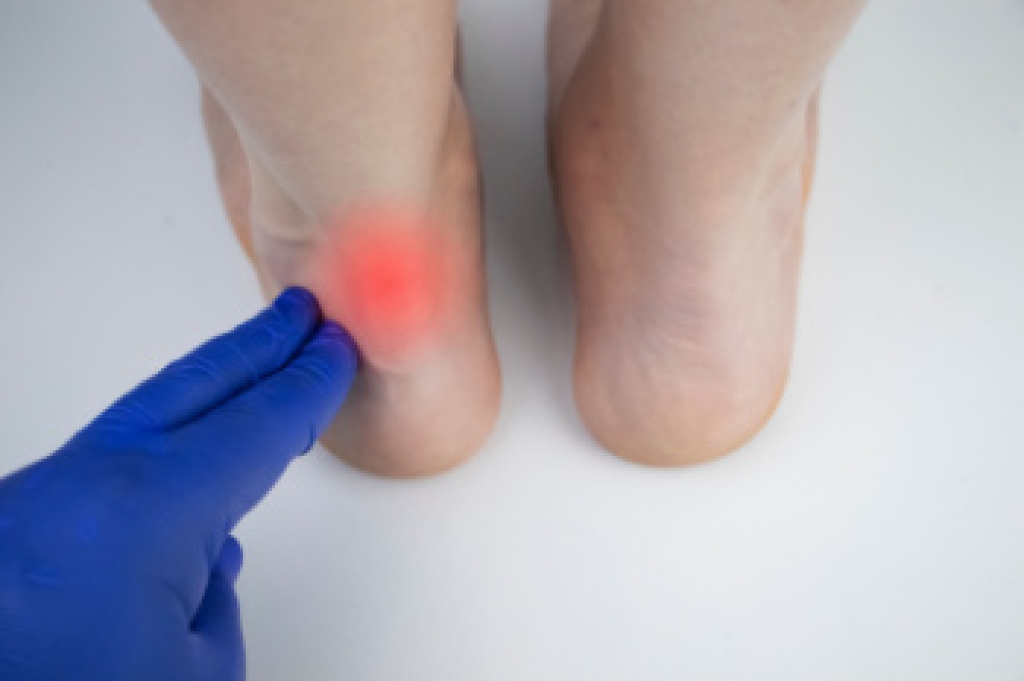
Heel pain in active children is often linked to Sever's disease, a common condition caused by irritation at the growth plate in the heel during periods of rapid growth and repeated activity. However, not every young athlete with heel pain has this condition. Similar symptoms may come from Achilles tendon strain, bone stress injuries, deep bruising, or other joint-related problems. Running, jumping, and frequent training can place repeated stress on the heel, making proper diagnosis important when pain does not improve. A podiatrist can evaluate where the pain is located, review activity history, assess walking patterns, and order imaging if needed, to identify the true cause. Running, jumping, and high impact sports can place repeated stress on the heel, making diagnosis important when pain continues. A podiatrist can evaluate the location of pain, activity history, walking pattern, and imaging if needed, to determine the exact cause. Proper diagnosis helps ensure the child receives the right treatment and avoids worsening the problem by continuing sports too soon. If your child has ongoing heel pain during athletic activity, it is suggested that you visit a podiatrist for an accurate diagnosis and effective treatment.

Many people suffer from bouts of heel pain. For more information, contact one of our podiatrists of Ankle & Foot Care Center. Our doctors can provide the care you need to keep you pain-free and on your feet.

Causes of Heel Pain

Heel pain is often associated with plantar fasciitis. The plantar fascia is a band of tissues that extends along the bottom of the foot. A rip or tear in this ligament can cause inflammation of the tissue.

Achilles tendonitis is another cause of heel pain. Inflammation of the Achilles tendon will cause pain from fractures and muscle tearing. Lack of flexibility is also another symptom.

Heel spurs are another cause of pain. When the tissues of the plantar fascia undergo a great deal of stress, it can lead to ligament separation from the heel bone, causing heel spurs.

Why Might Heel Pain Occur?

  • Wearing ill-fitting shoes                
  • Wearing non-supportive shoes
  • Weight change           
  • Excessive running

Treatments

Heel pain should be treated as soon as possible for immediate results. Keeping your feet in a stress-free environment will help. If you suffer from Achilles tendonitis or plantar fasciitis, applying ice will reduce the swelling. Stretching before an exercise like running will help the muscles. Using all these tips will help make heel pain a condition of the past.

If you have any questions, please feel free to contact our office located in Jupiter, FL . We offer the newest diagnostic and treatment technologies for all your foot care needs.

Read more about Heel Pain

Athlete’s Foot in Children and Teens and How to Help Prevent It

Athlete’s foot can affect children and teens, especially those who are active, wear closed shoes for long periods of time, or spend time in locker rooms and around pools. This condition is caused by a fungus that thrives in warm, moist environments. It may appear as peeling skin, redness, itching, or small cracks between the toes. Some young people  may also have dryness or mild discomfort on the soles of the feet. Because symptoms can be subtle, it may go unnoticed at first. Prevention starts with keeping feet clean and dry. Encourage kids to change socks daily, choose breathable shoes, and allow shoes to air out between uses. Wearing flip flops in public wet areas can also help reduce exposure. If you notice signs of athlete’s foot in your children, it is suggested that you see a podiatrist for a proper diagnosis and appropriate treatment.

Athlete’s foot is an inconvenient condition that can be easily reduced with the proper treatment. If you have any concerns about your feet and ankles, contact one of our podiatrists from Ankle & Foot Care Center.  Our doctors will treat your foot and ankle needs.

Athlete’s Foot: The Sole Story

Athlete's foot, also known as tinea pedis, can be an extremely contagious foot infection. It is commonly contracted in public changing areas and bathrooms, dormitory style living quarters, around locker rooms and public swimming pools, or anywhere your feet often come into contact with other people.

Solutions to Combat Athlete’s Foot

  • Hydrate your feet by using lotion
  • Exfoliate
  • Buff off nails
  • Use of anti-fungal products
  • Examine your feet and visit your doctor if any suspicious blisters or cuts develop

Athlete’s foot can cause many irritating symptoms such as dry and flaking skin, itching, and redness. Some more severe symptoms can include bleeding and cracked skin, intense itching and burning, and even pain when walking. In the worst cases, Athlete’s foot can cause blistering as well. Speak to your podiatrist for a better understanding of the different causes of Athlete’s foot, as well as help in determining which treatment options are best for you.

If you have any questions please feel free to contact our office located in Jupiter, FL . We offer the newest diagnostic and treatment technologies for all your foot and ankle needs.

Read more about How to Deal with Athlete's Foot

Connect With Us

scroll to top