
Painful deformities, such as hammertoes, can be treated. Stop living with foot pain, and have beautiful feet again!
Painful deformities, such as hammertoes, can be treated. Stop living with foot pain, and have beautiful feet again!

Heel bursitis causes pain and swelling at the back of the heel. A bursa is a small fluid filled cushion that helps reduce rubbing between bones and soft tissue. When this cushion becomes irritated, it fills with extra fluid and becomes painful. Heel bursitis often develops from shoes that press or rub against the back of the heel, especially stiff or tight shoes. It can also occur after a sudden increase in walking, time spent on hills, or other forms of exercise. Common signs include tenderness, redness, warmth, and a soft swollen area near the heel. Pain may be worse when wearing shoes or after periods of rest. Although the problem may start mildly, it can worsen if ignored, and interfere with daily movement. If heel swelling or pain continues or limits activity, it is suggested that you see a podiatrist for a proper diagnosis and appropriate treatment.
Many people suffer from bouts of heel pain. For more information, contact one of our podiatrists of Ankle & Foot Care Center. Our doctors can provide the care you need to keep you pain-free and on your feet.
Causes of Heel Pain
Heel pain is often associated with plantar fasciitis. The plantar fascia is a band of tissues that extends along the bottom of the foot. A rip or tear in this ligament can cause inflammation of the tissue.
Achilles tendonitis is another cause of heel pain. Inflammation of the Achilles tendon will cause pain from fractures and muscle tearing. Lack of flexibility is also another symptom.
Heel spurs are another cause of pain. When the tissues of the plantar fascia undergo a great deal of stress, it can lead to ligament separation from the heel bone, causing heel spurs.
Why Might Heel Pain Occur?
Treatments
Heel pain should be treated as soon as possible for immediate results. Keeping your feet in a stress-free environment will help. If you suffer from Achilles tendonitis or plantar fasciitis, applying ice will reduce the swelling. Stretching before an exercise like running will help the muscles. Using all these tips will help make heel pain a condition of the past.
If you have any questions, please feel free to contact our office located in Jupiter, FL . We offer the newest diagnostic and treatment technologies for all your foot care needs.

Dry, red, shiny patches on a child’s feet can look alarming, but several conditions may cause this appearance. One common source is juvenile plantar dermatosis, a condition that creates smooth, reddish areas on the forefoot due to friction, sweat, and tight footwear. Eczema can also create irritated, dry patches that become shiny when the skin is inflamed. Some children react to detergents, shoe materials, or dyes, leading to contact dermatitis that appears as bright, irritated skin. Although less frequent in younger children, fungal infections may cause peeling, redness, and discomfort. Psoriasis can occasionally involve the feet as well, creating distinct shiny plaques. Rarely, certain illnesses that cause redness and swelling of the feet may be involved. A podiatrist can identify the cause, guide treatment, and recommend ways to protect the skin. If your child’s symptoms continue or worsen, it is suggested that you see a podiatrist for an accurate diagnosis and effective treatment solutions.
Making sure that your children maintain good foot health is very important as they grow. If you have any questions, contact one of our podiatrists of Ankle & Foot Care Center. Our doctors can provide the care you need to keep you pain-free and on your feet.
Keeping Children's Feet Healthy
Having healthy feet during childhood can help prevent medical problems later in life, namely in the back and legs. As children grow, their feet require different types of care. Here are some things to consider...
Although babies do not walk yet, it is still very important to take care of their feet.
Avoid putting tight shoes or socks on his or her feet.
Allow the baby to stretch and kick his or her feet to feel comfortable.
As a toddler, kids are now on the move and begin to develop differently. At this age, toddlers are getting a feel for walking, so don’t be alarmed if your toddler is unsteady or ‘walks funny’.
As your child gets older, it is important to teach them how to take care of their feet.
Show them proper hygiene to prevent infections such as fungus.
Be watchful for any pain or injury.
Have all injuries checked by a doctor as soon as possible.
Comfortable, protective shoes should always be worn, especially at play.
If you have any questions, please feel free to contact our office located in Jupiter, FL . We offer the newest diagnostic and treatment technologies for all your foot care needs.
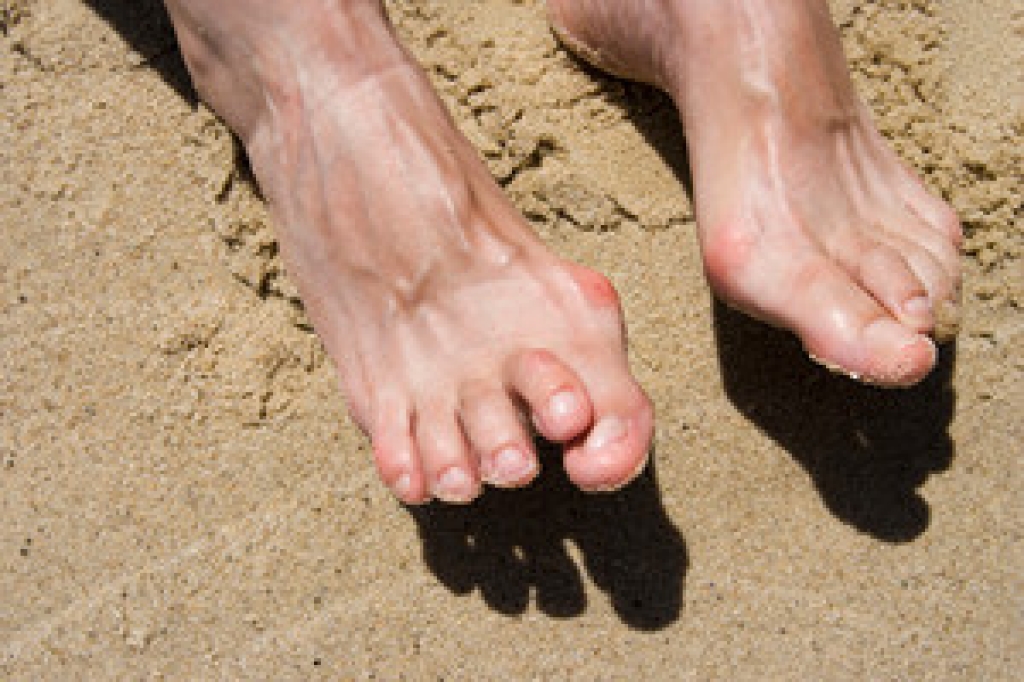
Hammertoe is a foot deformity in which one or more toes bend abnormally at the middle joint, creating a curled appearance. Common symptoms include toe pain, corns, calluses, redness, and difficulty wearing shoes comfortably. Risk factors include wearing tight footwear, muscle imbalance, trauma, arthritis, and a family history of foot deformities. A hammertoe may be flexible, meaning the toe can still move, or rigid, meaning the joint is stiff and fixed in place. You should be concerned if pain worsens, sores develop, or walking becomes difficult, as untreated hammertoes can lead to further complications. A podiatrist can evaluate the condition, recommend shoe modifications, custom orthotics, or advanced treatments, when needed. If toe pain is limiting your daily activities, it is suggested that you consult a podiatrist who can make a proper diagnosis and offer effective relief and treatment solutions.
Hammertoes can be a painful condition to live with. For more information, contact one of our podiatrists of Ankle & Foot Care Center. Our doctors will answer any of your foot- and ankle-related questions.
Hammertoe
Hammertoe is a foot deformity that occurs due to an imbalance in the muscles, tendons, or ligaments that normally hold the toe straight. It can be caused by the type of shoes you wear, your foot structure, trauma, and certain disease processes.
Symptoms
Risk Factors
Treatment
If you have hammertoe, you should change into a more comfortable shoe that provides enough room for your toes. Exercises such as picking up marbles may strengthen and stretch your toe muscles. Nevertheless, it is important to seek assistance from a podiatrist in order to determine the severity of your hammertoe and see which treatment option will work best for you.
If you have any questions, please feel free to contact our office located in Jupiter, FL . We offer the newest diagnostic and treatment technologies for all your foot care needs.
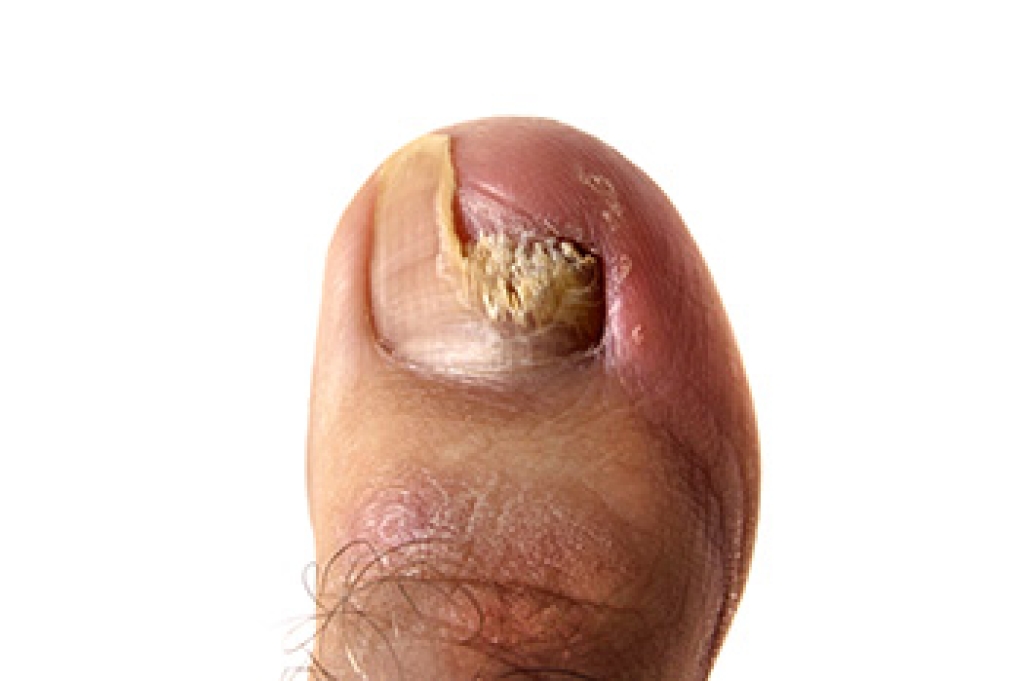
Toenail fungus is a common condition caused by fungal organisms that thrive in warm, damp environments, such as shoes, locker rooms, and public showers. It often begins as a small discoloration and may look yellow, white, or brown, with nails becoming thick, brittle, crumbly, or distorted, over time. Some people notice an unpleasant odor or debris under the nail. Toenail fungus may feel uncomfortable, sensitive, or painful, especially when pressure is applied from footwear, although it can also be painful in early stages. A podiatrist can help from the start by examining the nails, confirming the diagnosis through testing when needed, and ruling out other nail disorders. Treatment options may include topical medications, professional nail care, and guidance on foot hygiene to prevent recurrence. Early treatment can improve nail appearance and comfort while limiting spread. If you have symptoms of toenail fungus, it is suggested that you schedule an appointment with a podiatrist for appropriate treatment solutions.
If left untreated, toenail fungus may spread to other toenails, skin, or even fingernails. If you suspect you have toenail fungus it is important to seek treatment right away. For more information about treatment, contact one of our podiatrists of Ankle & Foot Care Center. Our doctors can provide the care you need to keep you pain-free and on your feet.
Symptoms
Treatment
If self-care strategies and over-the-counter medications does not help your fungus, your podiatrist may give you a prescription drug instead. Even if you find relief from your toenail fungus symptoms, you may experience a repeat infection in the future.
Prevention
In order to prevent getting toenail fungus in the future, you should always make sure to wash your feet with soap and water. After washing, it is important to dry your feet thoroughly especially in between the toes. When trimming your toenails, be sure to trim straight across instead of in a rounded shape. It is crucial not to cover up discolored nails with nail polish because that will prevent your nail from being able to “breathe”.
In some cases, surgical procedure may be needed to remove the toenail fungus. Consult with your podiatrist about the best treatment options for your case of toenail fungus.
If you have any questions please contact our office located in Jupiter, FL . We offer the newest diagnostic and treatment technologies for all your foot and ankle needs.
Connect With Us
