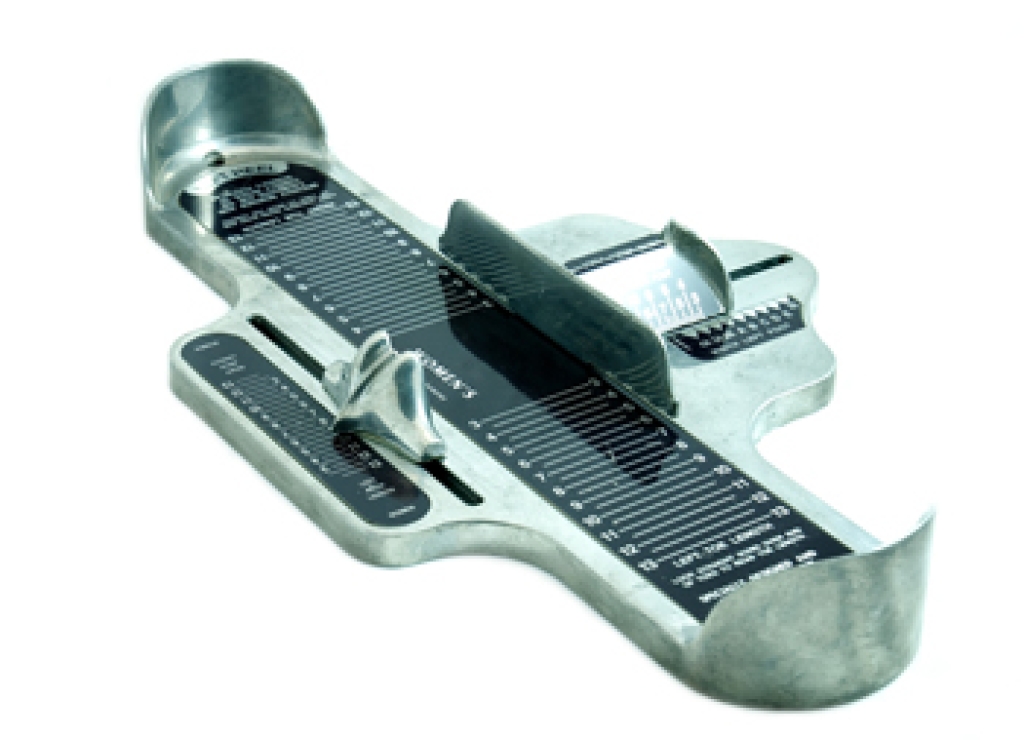
Brannock Device and Tracing the Feet

Research has indicated that nearly half of all women are wearing the wrong size shoe. Many women will notice their shoes don’t fit comfortably, and this can cause painful foot conditions to gradually develop. These common ailments can include hammertoes and bunions, in addition to consistent foot pain. To determine what the correct shoe size is, it is suggested that you place your foot on top of a piece of paper, and trace it while sitting down. This is followed by outlining the tracing with a straight line. After the foot is measured, it is important that you subtract 3/16 of an inch from the measurements. This is helpful in accommodating for the small area of extra space between the straight lines and your foot. Additionally, some people use a Brannock device, which is specifically designed to measure feet, and is found in most shoe stores. If you would like more information about how to correctly measure your foot to determine the correct shoe size, please confer with a podiatrist.

Getting the right shoe size is an important part of proper foot health. Seek the assistance of one of our podiatrists from Ankle & Foot Care Center. Our doctors will provide the care you need to keep you pain-free and on your feet.

Getting the Right Shoe Size

There are many people who wear shoes that are the incorrect size, negatively affecting their feet and posture. Selecting the right shoes is not a difficult process, so long as you keep several things in mind when it comes to choosing the right pair.

  • When visiting the shoe store, use the tools available to measure your foot.
  • Be sure there is ‘wiggle room’. There should be about an inch between your toes and the tip of your shoes.
  • Do not always assume you are the same size, as manufacturers run differently.
  • Purchase shoes later in the day, as your feet swell as the day progresses.
  • If a shoe is not comfortable, it is not suitable. Most shoes can’t be ‘broken in’, and comfort should be the ultimate goal when it comes to choosing the right pair of shoes

As our feet hold our body weight and keep us moving, it is important to treat them right. Picking the right pair of shoes can provide your feet comfort and mobility without pain.

If you have any questions, please feel free to contact our office located in Jupiter, FL . We offer the newest diagnostic and treatment technologies for all your foot care needs.

Read more about Getting the Right Shoe Size: To Keep Your Feet Happy

Alleviating Pain From Flat Feet

Some people are born without an arch in their foot and have flat feet. This may or may not cause problems, but if problems arise, it is usually displayed in pain – of the feet, knees, hips, and/or lower back. Strain from awkward pulling of muscles connected to the feet can throw a person’s whole body out of alignment. Without an arch in the foot, body weight is distributed unevenly. There is no cure for flat feet. Alleviating symptoms may include resting the feet, wearing well-fitting, supportive shoes, using store-bought or custom-made orthotic inserts for additional arch support, stretching exercises, medication, and cortisone injections. Seeing a podiatrist is suggested for a thorough examination of your feet and guidance as to the best treatment plan to manage flat feet.

Flatfoot is a condition many people suffer from. If you have flat feet, contact one of our podiatrists from Ankle & Foot Care Center. Our doctors will treat your foot and ankle needs.

What Are Flat Feet?

Flatfoot is a condition in which the arch of the foot is depressed and the sole of the foot is almost completely in contact with the ground. About 20-30% of the population generally has flat feet because their arches never formed during growth.

Conditions & Problems:

Having flat feet makes it difficult to run or walk because of the stress placed on the ankles.

Alignment – The general alignment of your legs can be disrupted, because the ankles move inward which can cause major discomfort.

Knees – If you have complications with your knees, flat feet can be a contributor to arthritis in that area.  

Symptoms

  • Pain around the heel or arch area
  • Trouble standing on the tip toe
  • Swelling around the inside of the ankle
  • Flat look to one or both feet
  • Having your shoes feel uneven when worn

Treatment

If you are experiencing pain and stress on the foot you may weaken the posterior tibial tendon, which runs around the inside of the ankle. 

If you have any questions, please feel free to contact our office located in Jupiter, FL . We offer the newest diagnostic and treatment technologies for all your foot care needs.

Read more about Flat Feet

Are Flip-Flops Bad for My Feet?

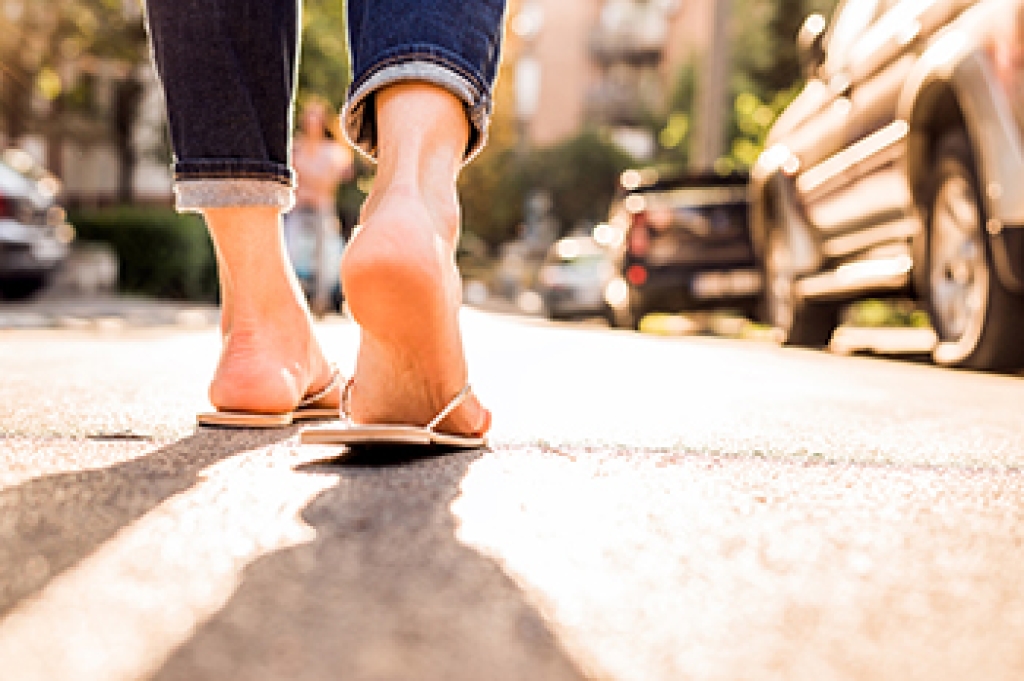
As summer nears, many of us want to go barefoot or wear flip-flops rather than closed-toed shoes and socks. Flip-flops are easy to grab and wear, can feel cool, and help with healing foot problems requiring less restriction of the feet. Their breathability can also help prevent foot infections. However, there are downsides to wearing flip-flops which generally involve their lack of padding and support. Flip-flops can be worn occasionally with no problem, but they do not absorb shock, can be dangerous in certain terrains, cause blisters from the Y strap rubbing against the skin, and negatively affect the biomechanics of the body because the stride is toe to heel versus the opposite usual stride. Wearing flip-flops can lead to pain in the back, hips, legs, and lower joints and cause other foot conditions like flat feet and plantar fasciitis. The obvious solution is to use care in wearing flip-flops and pay attention to what your feet may be telling you.  If you have over-worn your flip-flops and are having problems with your feet as a result, consult with a podiatrist to check for problems and obtain a treatment regimen.

Flip-flops are not always the best choice of footwear. If you have any concerns about your feet or ankles, contact one of our podiatrists from Ankle & Foot Care Center. Our doctors will assist you with all of your foot and ankle needs.

Flip-Flops and Feet

When the weather starts warming up, people enjoy wearing flip-flops.  Flip-flops are comfortable, stylish, and easy to slip on and off; they're perfect for any summer beach goer.  However, these shoes can cause harm to the feet.

How Can Flip-Flops Affect Me Long-Term?

  • Ankle problems
  • Hip problems
  • Lower back problems
  • Pain in the balls of the feet
  • Problems with foot arches
  • Changes in the way you walk

Are There Injuries Associated with Flip-Flops?

Yes.  Since flip-flops are relatively weak and do not provide the same amount of support as sneakers, people who wear flip-flops regularly are more susceptible to injuries. On top of that, the open nature of the shoe makes your feet more prone to other problems, such as cuts and even infections.  Common injuries and ailments include:

  • Sprained ankles
  • Blisters
  • Infections
  • Cuts and Scrapes

I like Wearing Flip-Flops. Are There Safe Alternatives?

When buying flip-flops, try to find ones that have sturdy soles and that are made of high-quality materials that will support for your feet.  These flip-flops will cost more but will also last longer as a result.

If you have any questions, please feel free to contact our office located in Jupiter, FL . We offer the newest diagnostic and treatment technologies for all your foot care needs.
Read more about Flip Flops and Feet

It's Time for Beautiful Feet

You don't need an excuse to have beautiful nails. Step outside without worrying about the appearance of your feet.

How Obesity Can Contribute to Flat Feet

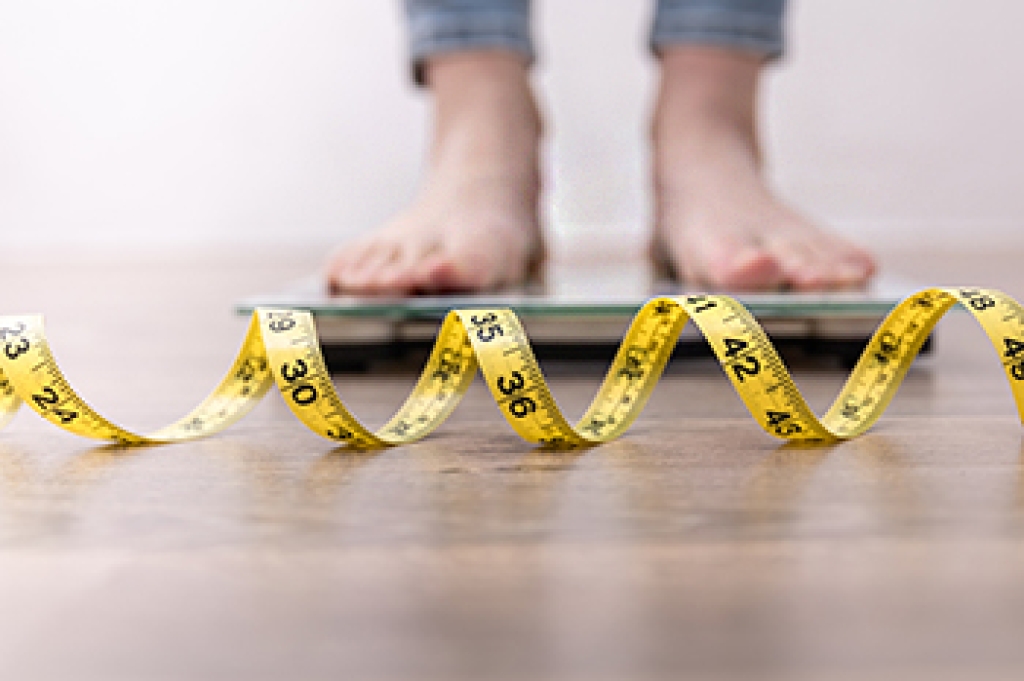
Increased body weight adds stress to the feet and is thought to be a contributing factor to several foot conditions. Flat feet, or pes planus, is one of these. Arches are designed, partly, to help absorb the body’s weight while standing or moving, and also to act as shock absorbers. The heavier a person is, the harder it is for this structure to maintain its shape and do its job. The arch will become lower as it struggles under the excessive weight it is bearing, and in some cases, may completely collapse. Additionally, obesity may cause a person to angle their feet outward as they walk, with a wider-than-normal gait. These changes in stride can also make it more difficult for the arch to keep its normal shape and height. Flat feet can sometimes cause pain in the arch and/or muscles, as well as fatigue and aching in the feet and legs. Losing weight is a good step towards helping to relieve symptoms. A podiatrist can also help ease your discomfort and use a variety of techniques to support the arch and correct gait abnormalities.  

The more you weigh, the harder your feet must work to support your body. If you’re an obese individual and are concerned about your feet, contact one of our podiatrists from Ankle & Foot Care Center. Our doctors can provide the care you need to keep you pain-free and on your feet.

Obesity and Your Feet

People who are overweight are putting more pressure on their ankles, knees, and hips as well as their feet. This unfortunately can lead to variety of different issues.

Problems & Complications Stemming from Obesity

  • When the body is overweight, it tries to compensate by changing the way that it moves. An obese person may lean forward and put extra weight on the wrong part of the foot. This puts unnecessary stress on the feet.
  • Obese people are also more likely to develop type II diabetes which is a condition that causes a lot of foot problems. People with diabetes often don’t feel the cuts and sores that they may have on their feet, which can lead to more complicated and severe issues.
  • Plantar fasciitis is another foot condition that can be caused by obesity. Plantar fasciitis is an inflammation of the tissue along the bottom of the foot, which causes pain and stiffness while walking and climbing stairs.

If you have any questions please contact our office located in Jupiter, FL . We offer the newest diagnostic and treatment technologies for all your foot and ankle needs.

Read more about Obesity and the Feet

Connect With Us

scroll to top