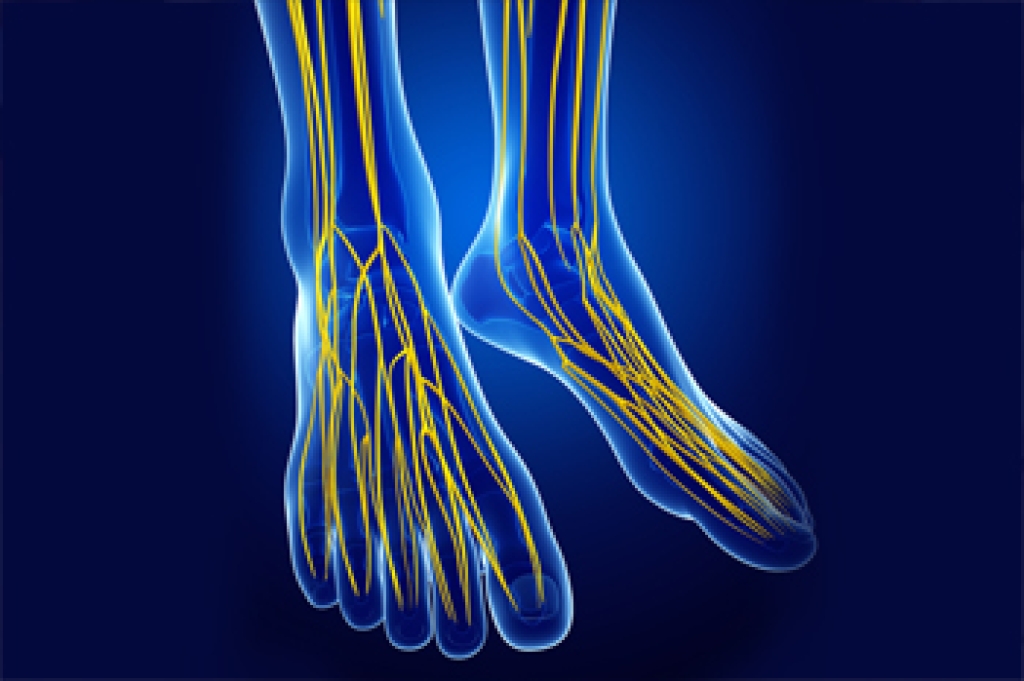
Stretching Your Feet and Ankles

Do your feet and ankles ache for hours after exercise? Do your feet feel stiff and inflexible? Stretching reduces the risk of injury and improves strength and flexibility in other parts of the body, so why not your feet? Since the foundation of our stability and balance originates in the feet, stretching the feet and ankles can become an important addition to your daily routine. A simple ankle stretch involves sitting in a chair with one leg crossed over the other and gently pulling your ankle upwards and downwards several times, using your hands or a band to assist. A similar stretch can be performed with your feet and toes. To learn more about the various stretches for your feet and ankles, talk to a podiatrist today.

Stretching the feet is a great way to prevent injuries. If you have any concerns with your feet consult with one of our podiatrists from Ankle & Foot Care Center. Our doctors will assess your condition and provide you with quality foot and ankle treatment.

Stretching the Feet

Being the backbone of the body, the feet carry your entire weight and can easily become overexerted, causing cramps and pain. As with any body part, stretching your feet can serve many benefits. From increasing flexibility to even providing some pain relief, be sure to give your feet a stretch from time to time. This is especially important for athletes or anyone performing aerobic exercises, but anyone experiencing foot pain or is on their feet constantly should also engage in this practice.

Great ways to stretch your feet:

  • Crossing one leg over the others and carefully pull your toes back. Do 10-20 repetitions and repeat the process for each foot
  • Face a wall with your arms out and hands flat against the wall. Step back with one foot and keep it flat on the floor while moving the other leg forward. Lean towards the wall until you feel a stretch. Hold for 30 seconds and perform 10 repetitions for each foot
  • Be sure not to overextend or push your limbs too hard or you could risk pulling or straining your muscle

Individuals who tend to their feet by regular stretching every day should be able to minimize foot pain and prevent new problems from arising.

If you have any questions please contact our office located in Jupiter, FL . We offer the newest diagnostic and treatment technologies for all your foot and ankle needs.
Read more about Stretching Your Feet

Dealing With Cracked Heels in Warmer Weather

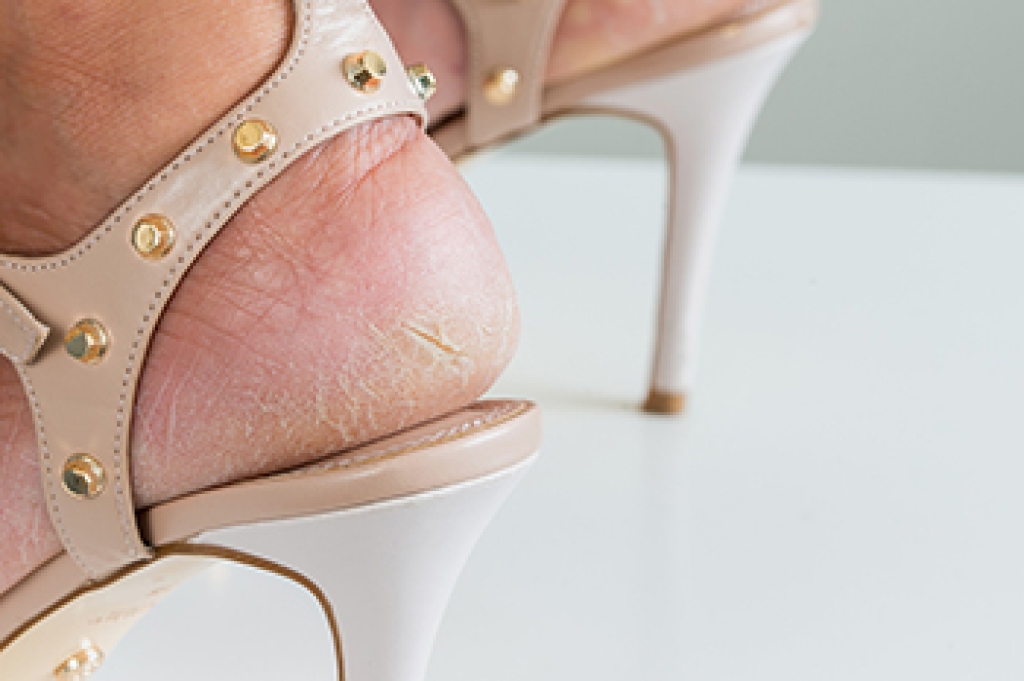
Warm weather can be hard on the heels, especially because people spend more time barefoot or wearing sandals and flip-flops. Heat and dry air cause the skin on the feet to lose moisture faster. Open-backed shoes also expose the heels to pressure and friction while walking. This causes the skin to thicken, dry out, and crack. Some cracks stay small, but deeper cracks can bleed and become painful. People with diabetes or poor circulation face a higher risk of infection and slow healing. A podiatrist can examine the heels and remove thick, damaged skin safely. Treatment also includes special creams to soften dry skin and recommendations for supportive footwear that protects the heels. Wearing shoes that fit properly and keeping the feet moisturized can help prevent painful cracks in the summer months. If you have cracked heels, it is suggested that you make an appointment with a podiatrist for an exam and treatment options.

If the skin on your feet starts to crack, you may want to see a podiatrist to find treatment. If you have any concerns, contact one of our podiatrists from Ankle & Foot Care Center. Our doctors can provide the care you need to keep you pain-free and on your feet.

Cracked Heels

It is important to moisturize your cracked heels in order to prevent pain, bleeding, and infection. The reason cracked heels form is because the skin on the foot is too dry to support the immense pressure placed on them. When the foot expands, the dry skin on the foot begins to split.

Ways to Help Heal Them

  • Invest in a good foot cream
  • Try Using Petroleum Jelly
  • Ease up on Soaps
  • Drink Plenty of Water

Ways to Prevent Cracked Heels

  • Moisturize After Showering
  • Skip a Shower
  • Keep Shower Water Lukewarm
  • Don’t Scrub Your Feet

If you are unsure how to proceed in treating cracked heels, seek guidance from a podiatrist. Your doctor will help you with any questions or information you may need. 

If you have any questions, please feel free to contact our office located in Jupiter, FL . We offer the newest diagnostic and treatment technologies for all your foot care needs.

Read more about Solutions for Cracked Heels

Facts About Ingrown Toenails

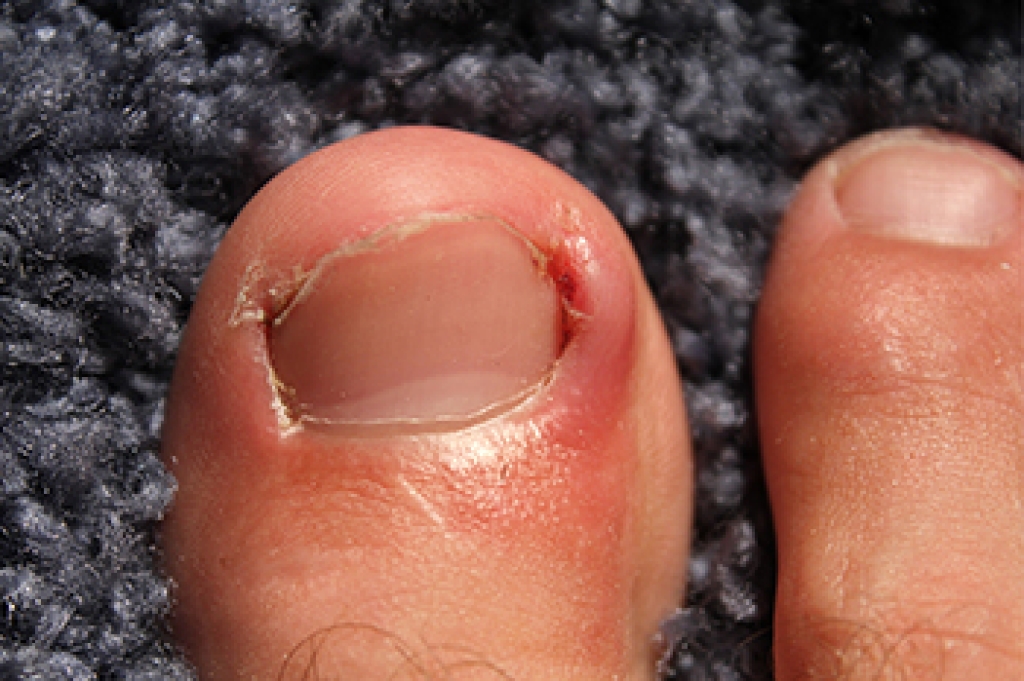
An ingrown toenail occurs when the edge of a nail grows into the surrounding skin, causing irritation and pain. This condition often appears as redness, swelling, and tenderness along the nail border, and may lead to drainage or infection if untreated. Common causes include improper nail trimming, tight footwear, toe injuries, and natural nail shape. Risk factors include diabetes, poor circulation, excessive sweating, and repetitive pressure on the toes. A podiatrist can relieve discomfort by removing the ingrown portion safely, treating infection, and guiding proper nail growth. They may also address underlying nail deformities, provide guidance on footwear, and use specialized techniques to prevent recurrence while protecting surrounding tissue. If you have a painful ingrown toenail, it is suggested that you consult a podiatrist who can offer effective treatment, which may include minor surgery.

Ingrown toenails may initially present themselves as a minor discomfort, but they may progress into an infection in the skin without proper treatment. For more information about ingrown toenails, contact one of our podiatrists of Ankle & Foot Care Center. Our doctors can provide the care you need to keep you pain-free and on your feet.

Ingrown Toenails

Ingrown toenails are caused when the corner or side of a toenail grows into the soft flesh surrounding it. They often result in redness, swelling, pain, and in some cases, infection. This condition typically affects the big toe and may recur if it is not treated properly.

Causes

  • Improper toenail trimming
  • Genetics
  • Improper shoe fitting
  • Injury from pedicures or nail picking
  • Abnormal gait
  • Poor hygiene

You are more likely to develop an ingrown toenail if you are obese, have diabetes, arthritis, or have any fungal infection in your nails. Additionally, people who have foot or toe deformities are at a higher risk of developing an ingrown toenail.

Symptoms

Some symptoms of ingrown toenails are redness, swelling, and pain. In rare cases, there may be a yellowish drainage coming from the nail.

Treatment

Ignoring an ingrown toenail can have serious complications. Infections of the nail border can progress to a deeper soft-tissue infection, which can then turn into a bone infection. You should always speak with your podiatrist if you suspect you have an ingrown toenail, especially if you have diabetes or poor circulation.

If you have any questions, please feel free to contact our office located in Jupiter, FL . We offer the newest diagnostic and treatment technologies for all your foot care needs.

Read more about Ingrown Toenails

All You Need to Know About Poor Circulation

Common symptoms that are linked to poor circulation can include cold feet, tingling or burning sensations, and swollen feet. There are several reasons why this condition may develop. These can include plaque buildup in the arteries, diabetes, or if there is an existing blood clot. Additionally, patients who smoke, stand for extended periods of time throughout the day, or who are obese may be at risk of developing poor circulation. A diagnosis may consist of testing the blood for elevated glucose levels which may indicate diabetes, as well as performing an ultrasound that can examine your blood vessels. Patients may find moderate relief when compression stockings are worn, which may help to provide a comfortable level of support. If you are suffering from poor circulation, it is advised that you speak to a podiatrist who can offer you proper treatment techniques.

While poor circulation itself isn’t a condition; it is a symptom of another underlying health condition you may have. If you have any concerns with poor circulation in your feet contact one of our podiatrists of Ankle & Foot Care Center. Our doctors will treat your foot and ankle needs.

Poor Circulation in the Feet

Peripheral artery disease (PAD) can potentially lead to poor circulation in the lower extremities. PAD is a condition that causes the blood vessels and arteries to narrow. In a linked condition called atherosclerosis, the arteries stiffen up due to a buildup of plaque in the arteries and blood vessels. These two conditions can cause a decrease in the amount of blood that flows to your extremities, therefore resulting in pain.

Symptoms

Some of the most common symptoms of poor circulation are:

  • Numbness
  • Tingling
  • Throbbing or stinging pain in limbs
  • Pain
  • Muscle Cramps

Treatment for poor circulation often depends on the underlying condition that causes it. Methods for treatment may include insulin for diabetes, special exercise programs, surgery for varicose veins, or compression socks for swollen legs.

As always, see a podiatrist as he or she will assist in finding a regimen that suits you. A podiatrist can also prescribe you any needed medication. 

If you have any questions, please feel free to contact our office located in Jupiter, FL . We offer the newest diagnostic and treatment technologies for all your foot care needs.

Read more about Causes, Symptoms, and Treatment of Poor Blood Circulation in the Feet

Wounds That Don't Heal Need to Be Checked

Your feet are covered most of the day. If you're diabetic, periodic screening is important for good health. Numbness is often a sign of diabetic foot and can mask a sore or wound.

Connect With Us

scroll to top