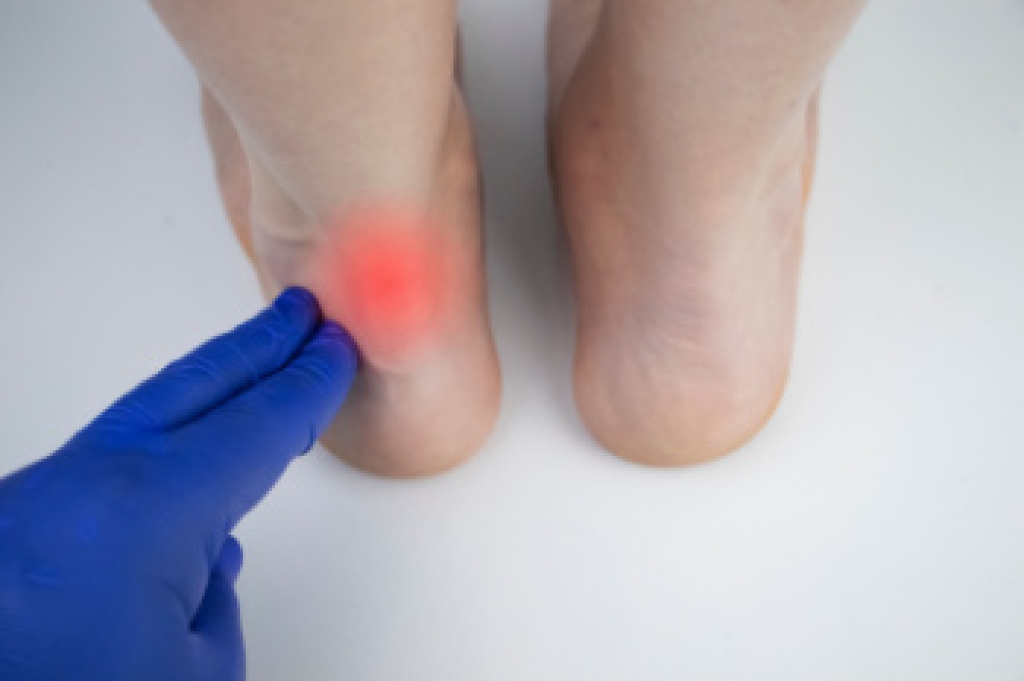
Acute and Chronic Achilles Tendon Conditions

The Achilles tendon is the largest and strongest tendon in the human body, connecting the calf muscles to the heel bone. It plays a vital role in walking, running, and jumping. Acute Achilles tendon conditions develop suddenly, often due to a specific injury or overload, while chronic conditions develop gradually over time due to repeated stress. Achilles tendonitis and tendinosis are common chronic issues that result from micro-tears and degeneration within the tendon. These conditions are frequently seen in active individuals and those who spend long hours on their feet.

Symptoms of Achilles tendon problems may include pain along the back of the heel, stiffness in the morning, swelling, and difficulty with movement. Acute injuries often present with sudden sharp pain, while chronic conditions tend to cause a dull ache that worsens with activity. In more advanced cases, thickening of the tendon or reduced flexibility may occur. Recognizing these symptoms early can help prevent worsening damage and improve recovery outcomes.


Several risk factors contribute to Achilles tendon injuries. These include tight calf muscles, wearing poor footwear, and flat feet or high arches. Sudden increases in physical activity and improper training techniques may also contribute to the problem. Age also plays a role, as the tendon becomes less flexible over time. Occupations that require prolonged standing or repetitive movement can increase strain on the tendon and lead to chronic irritation.


Proper treatment depends on the severity and duration of the condition. Rest, stretching, and supportive footwear can reduce stress on the tendon and promote healing. Early intervention is essential in preventing long term complications. If you have consistent pain or stiffness in the back of your heel, it is suggested that you consult a podiatrist for an accurate diagnosis and appropriate treatment.

Achilles tendon injuries need immediate attention to avoid future complications. If you have any concerns, contact one of our podiatrists of Ankle & Foot Care Center. Our doctors can provide the care you need to keep you pain-free and on your feet.

What Is the Achilles Tendon?

The Achilles tendon is a tendon that connects the lower leg muscles and calf to the heel of the foot. It is the strongest tendon in the human body and is essential for making movement possible. Because this tendon is such an integral part of the body, any injuries to it can create immense difficulties and should immediately be presented to a doctor.

What Are the Symptoms of an Achilles Tendon Injury?

There are various types of injuries that can affect the Achilles tendon. The two most common injuries are Achilles tendinitis and ruptures of the tendon.

Achilles Tendinitis Symptoms

  • Inflammation
  • Dull to severe pain
  • Increased blood flow to the tendon
  • Thickening of the tendon

Rupture Symptoms

  • Extreme pain and swelling in the foot
  • Total immobility

Treatment and Prevention

Achilles tendon injuries are diagnosed by a thorough physical evaluation, which can include an MRI. Treatment involves rest, physical therapy, and in some cases, surgery. However, various preventative measures can be taken to avoid these injuries, such as:

  • Thorough stretching of the tendon before and after exercise
  • Strengthening exercises like calf raises, squats, leg curls, leg extensions, leg raises, lunges, and leg presses

If you have any questions please feel free to contact our office located in Jupiter, FL . We offer the newest diagnostic tools and technology to treat your foot and ankle needs.
Read more about The Causes, Types, and Treatments of Achilles Tendon Injuries

Podiatry Care for Blisters

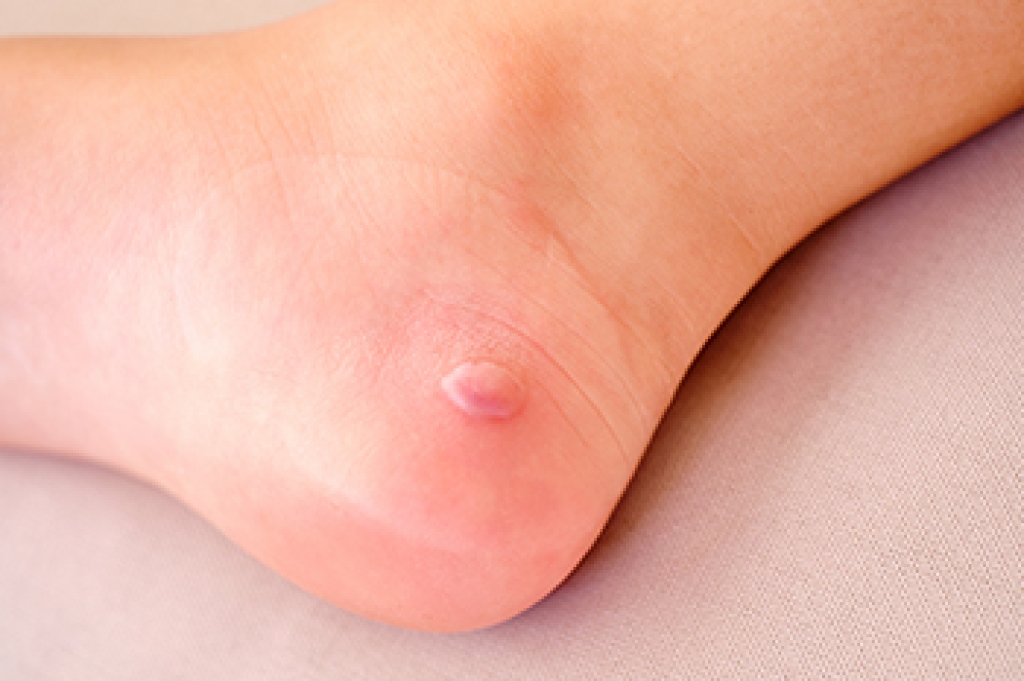
Blisters are fluid-filled pockets that form on the skin, often as a result of friction, pressure, or irritation. On the feet, blisters commonly develop on the toes, heels, soles, or sides of the foot. They may be caused by rubbing from footwear, long periods of walking or standing, burns, allergic reactions, infections, or certain skin conditions. Foot blisters can be painful because the feet support body weight throughout the day. Symptoms may include tenderness, redness, swelling, and a raised area filled with clear fluid or blood. While many blisters heal without complications, they can make everyday activities uncomfortable and may affect mobility.

Although blisters are common, they should not always be dismissed as a minor problem. A blister that becomes increasingly painful, drains fluid, or develops surrounding redness may indicate a more serious issue. People with diabetes, poor circulation, or a weakened immune system face a greater risk of complications from foot blisters. In these individuals, even a small skin injury can lead to infection or delayed healing. Recurring blisters may also signal an underlying problem, such as abnormal foot mechanics, improper footwear, or a skin disorder. Because blisters on the feet can develop for many reasons, obtaining an accurate diagnosis is important before treatment begins.

A podiatrist is a foot and ankle specialist who can evaluate foot blisters and determine their underlying cause. During an examination, the podiatrist may assess the skin, review symptoms, and look for signs of infection, excessive pressure, or structural foot problems. Treatment may include wound management, infection treatment, footwear recommendations, or pressure-relieving solutions designed to reduce irritation. For patients with recurring blisters, a podiatrist can identify contributing factors and recommend appropriate care to help prevent future problems. Professional podiatry care can help relieve discomfort, protect the skin, and reduce the risk of complications. If you have painful foot blisters, signs of infection, recurring symptoms, or difficulty walking, it is suggested that you consult a podiatrist for an evaluation and appropriate treatment options.

Blisters may appear as a single bubble or in a cluster. They can cause a lot of pain and may be filled with pus, blood, or watery serum. If your feet are hurting, contact one of our podiatrists of Ankle & Foot Care Center. Our doctors can provide the care you need to keep you pain-free and on your feet.

Foot Blisters

Foot blisters are often the result of friction. This happens due to the constant rubbing from shoes, which can lead to pain.

What Are Foot Blisters?

A foot blister is a small fluid-filled pocket that forms on the upper-most layer of the skin. Blisters are filled with clear fluid and can lead to blood drainage or pus if the area becomes infected.

Symptoms

(Blister symptoms may vary depending on what is causing them)

  • Bubble of skin filled with fluid
  • Redness
  • Moderate to severe pain
  • Itching

Prevention & Treatment

In order to prevent blisters, you should be sure to wear comfortable shoes with socks that cushion your feet and absorb sweat. Breaking a blister open may increase your chances of developing an infection. However, if your blister breaks, you should wash the area with soap and water immediately and then apply a bandage to the affected area. If your blisters cause severe pain it is important that you call your podiatrist right away.

If you have any questions, please feel free to contact our office located in Jupiter, FL . We offer the newest diagnostic and treatment technologies for all your foot care needs.

Read more about Blisters on the Feet

Foot Pain and Podiatry Care

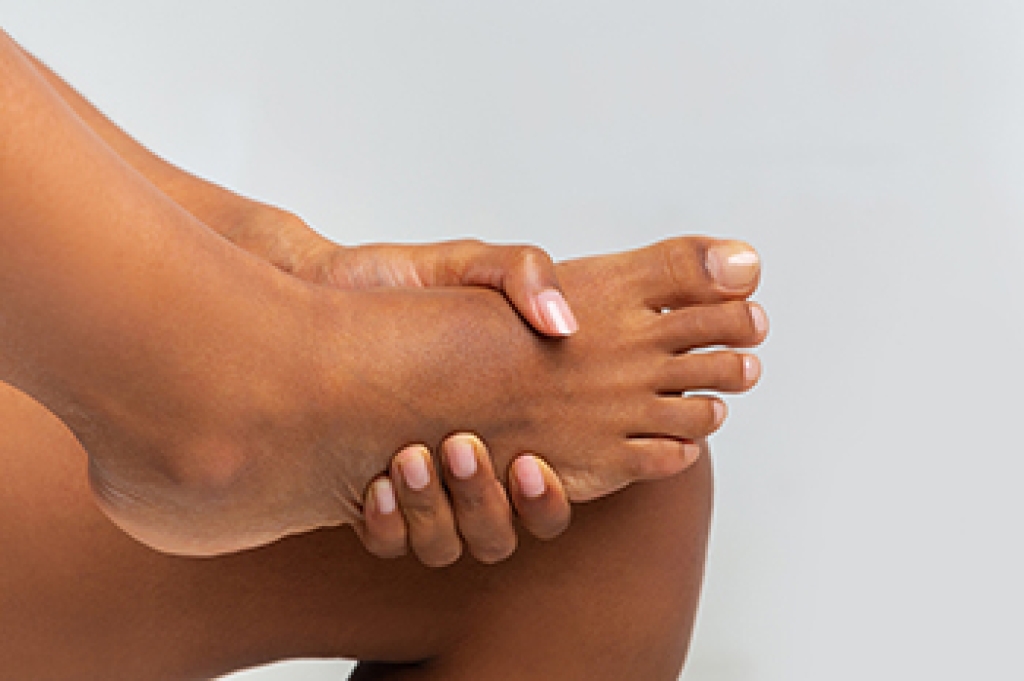
Foot pain can affect the heel, ball of the foot, or ankle area. It can begin after an injury, but it can also develop from repeated stress on the feet. Pain can come from bones, tendons, or ligaments. A tendon connects muscle to bone, while a ligament connects one bone to another. Foot pain can make standing, working, sports, and daily movement harder. Some people feel sharp pain when walking. Others notice aching, swelling, or stiffness. Wearing shoes that lack proper support can make symptoms worse, especially when the foot is already strained.

Many foot problems are linked to the way the feet and legs move. This is called biomechanics, which means how the body moves and handles pressure. A podiatrist can study your foot shape, walking pattern, and pressure points to find the cause of pain. Conditions like plantar fasciitis, bunions, and ingrown toenails can all cause discomfort. Plantar fasciitis is irritation of the thick band of tissue that supports the arch. Some pain is related to sports, long periods of standing, or shoes that do not fit well. A clear diagnosis matters to make sure each condition is treated properly.

A podiatrist can create a treatment plan based on the cause of your pain and the needs of your feet. Care can include custom orthotics, professional removal of painful thick skin, or treatment for nail problems. Orthotics are special shoe inserts that help control pressure and improve foot position. A podiatrist can also check your shoes, treat infections, and recommend medical care for injury-related pain. People with diabetes should have foot pain evaluated promptly because small problems can become serious. Early care can reduce pain and help protect mobility. If you have  foot pain, it is suggested that you schedule an appointment with a podiatrist for an accurate diagnosis and appropriate treatment.

Foot Pain

Foot pain can be extremely painful and debilitating. If you have a foot pain, consult with one of our podiatrists  from Ankle & Foot Care Center. Our doctors will assess your condition and provide you with quality foot and ankle treatment.

Causes

Foot pain is a very broad condition that could be caused by one or more ailments. The most common include:

  • Bunions
  • Hammertoes
  • Plantar Fasciitis
  • Bone Spurs
  • Corns
  • Tarsal Tunnel Syndrome
  • Ingrown Toenails
  • Arthritis (such as Gout, Rheumatoid, and Osteoarthritis)
  • Flat Feet
  • Injury (from stress fractures, broken toe, foot, ankle, Achilles tendon ruptures, and sprains)
  • And more

Diagnosis

To figure out the cause of foot pain, podiatrists utilize several different methods. This can range from simple visual inspections and sensation tests to X-rays and MRI scans. Prior medical history, family medical history, and any recent physical traumatic events will all be taken into consideration for a proper diagnosis.

Treatment

Treatment depends upon the cause of the foot pain. Whether it is resting, staying off the foot, or having surgery; podiatrists have a number of treatment options available for foot pain.

If you have any questions, please feel free to contact our office located in Jupiter, FL . We offer the newest diagnostic and treatment technologies for all your foot care needs.

Read more about Foot Pain

Do Your Child's Feet Hurt?

Have your child's feet been examined lately? Healthy feet are happy feet. If your child is complaining of foot pain, it may be a sign of underlying problems.

How Inflammatory Arthritis Affects the Feet

Inflammatory arthritis can affect the joints of the feet and ankles, sometimes making everyday movement uncomfortable and difficult. Because the foot contains many small joints, ongoing inflammation can lead to pain, stiffness, swelling, warmth, and tenderness, especially in the morning or after periods of rest. Some people notice discomfort in the ball of the foot, heel, toes, or ankle, while others develop changes in foot shape over time as joint damage progresses. Walking may become harder, and supportive shoes may suddenly feel uncomfortable. Since these symptoms can worsen without treatment, evaluation is important to identify the source of pain and protect joint function. Treatment may include custom orthotics, footwear guidance, supportive bracing, activity adjustments, and other therapies aimed at reducing stress on affected areas. If you have foot pain related to inflammatory arthritis, it is suggested that you visit a podiatrist for effective relief and management tips.

Arthritis can be a difficult condition to live with. If you are seeking treatment, contact one of our podiatrists from Ankle & Foot Care Center. Our doctors can provide the care you need to keep you pain-free and on your feet.

Arthritic Foot Care  

Arthritis is a joint disorder that involves the inflammation of different joints in your body, such as those in your feet. Arthritis is often caused by a degenerative joint disease and causes mild to severe pain in all affected areas. In addition to this, swelling and stiffness in the affected joints can also be a common symptom of arthritis.

In many cases, wearing ill-fitting shoes can worsen the effects and pain of arthritis. Wearing shoes that have a lower heel and extra room can help your feet feel more comfortable. In cases of rheumatoid arthritis, the arch in your foot may become problematic. Buying shoes with proper arch support that contour to your feet can help immensely.

Alleviating Arthritic Pain

  • Exercises that stretch the foot can prevent further pain and injury and increase mobility
  • Most of the pain can be alleviated with anti-inflammatory drugs, heat, and topical medications
  • Massages can help temporarily alleviate pain.

It is best to see your doctor for the treatment that is right for your needs and symptoms. Conditions vary, and a podiatrist can help you determine the right method of care for your feet.

If you have any questions please feel free to contact our office located in Jupiter, FL . We offer the newest diagnostic tools and technology to treat your foot and ankle needs.

Read more about How to Care for Your Arthritic Foot

Connect With Us

scroll to top