Items filtered by date: July 2021
What Can Cause Hammertoe?
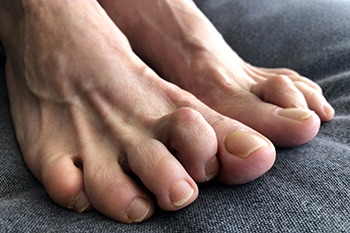 The foot condition that is known as hammertoe is considered to be a deformity of the joints and ligaments. It affects the middle joints of the second and third toe, and causes them to bend downward, resembling a hammer. This ailment can develop from genetic reasons, or if a foot injury has occurred. Additionally, if the patient has high arches, or frequently wears shoes that do not have adequate room for the toes to move freely in, the beginning stages of hammertoe may develop. A common medical condition that may contribute to the onset of hammertoe can be arthritis, which can cause severe pain and discomfort. Mild relief may be found when shoes that are worn fit properly, and it may be beneficial to wear proper insoles. If you have hammertoe, it is strongly suggested that you are under the care of a podiatrist who can guide you toward feeling better.
Hammertoes can be a painful condition to live with. For more information, contact one of our podiatrists of Ankle & Foot Care Center. Our doctors will answer any of your foot- and ankle-related questions.
Hammertoe
Hammertoe is a foot deformity that occurs due to an imbalance in the muscles, tendons, or ligaments that normally hold the toe straight. It can be caused by the type of shoes you wear, your foot structure, trauma, and certain disease processes.
Symptoms
- Painful and/or difficult toe movement
- Swelling
- Joint stiffness
- Calluses/Corns
- Physical deformity
Risk Factors
- Age – The risk of hammertoe increases with age
- Sex – Women are more likely to have hammertoe compared to men
- Toe Length – You are more likely to develop hammertoe if your second toe is longer than your big toe
- Certain Diseases – Arthritis and diabetes may make you more likely to develop hammertoe
Treatment
If you have hammertoe, you should change into a more comfortable shoe that provides enough room for your toes. Exercises such as picking up marbles may strengthen and stretch your toe muscles. Nevertheless, it is important to seek assistance from a podiatrist in order to determine the severity of your hammertoe and see which treatment option will work best for you.
If you have any questions, please feel free to contact our office located in Jupiter, FL . We offer the newest diagnostic and treatment technologies for all your foot care needs.
What Leads to Plantar Fasciitis?
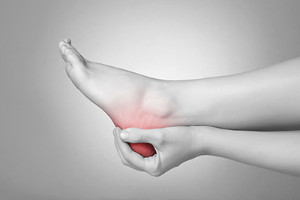 The plantar fascia is a strong and thick tissue that runs along the bottom of the foot and connects the heel bone to the toes. Plantar fasciitis occurs when this piece of tissue becomes inflamed or torn. Generally, plantar fasciitis is caused by overstretching or overuse and causes heel pain. Common reasons for overuse include playing sports that stress the heel bone, being overweight, pregnant, or middle-aged, or spending too much time standing. Patients who are experiencing heel pain associated with plantar fasciitis will notice that the heel pain is the worst in the morning after resting, after a long period of sitting or standing, or after physical activity. Patients who believe that they may be experiencing plantar fasciitis should consult with a podiatrist for a proper diagnosis and treatment method.
Plantar fasciitis can be very painful and inconvenient. If you are experiencing heel pain or symptoms of plantar fasciitis, contact one of our podiatrists from Ankle & Foot Care Center. Our doctors can provide the care you need to keep you pain-free and on your feet.
What Is Plantar Fasciitis?
Plantar fasciitis is the inflammation of the thick band of tissue that runs along the bottom of your foot, known as the plantar fascia, and causes mild to severe heel pain.
What Causes Plantar Fasciitis?
- Excessive running
- Non-supportive shoes
- Overpronation
- Repeated stretching and tearing of the plantar fascia
How Can It Be Treated?
- Conservative measures – anti-inflammatories, ice packs, stretching exercises, physical therapy, orthotic devices
- Shockwave therapy – sound waves are sent to the affected area to facilitate healing and are usually used for chronic cases of plantar fasciitis
- Surgery – usually only used as a last resort when all else fails. The plantar fascia can be surgically detached from the heel
While very treatable, plantar fasciitis is definitely not something that should be ignored. Especially in severe cases, speaking to your doctor right away is highly recommended to avoid complications and severe heel pain. Your podiatrist can work with you to provide the appropriate treatment options tailored to your condition.
If you have any questions please feel free to contact our office located in Jupiter, FL . We offer the newest diagnostic and treatment technologies for all your foot and ankle needs.
Do Your Child's Feet Hurt?

Have your child's feet been examined lately? Healthy feet are happy feet. If your child is complaining of foot pain, it may be a sign of underlying problems.
Risk Factors That Make Gout More Likely
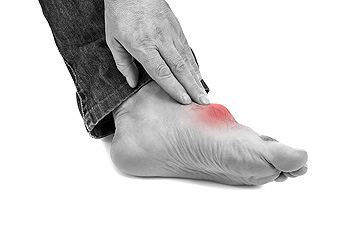 Gout is considered to be a type of arthritis caused by a buildup of uric acid in the bloodstream. When there is an overabundance of uric acid, it can crystallize and become lodged in the joints. This can produce severe pain, swelling, redness, and joint stiffness. Often, the joints of the big toe are most commonly affected. Certain conditions make gout more likely to occur. These include consuming foods that contain high fructose corn syrup or are high in purines, being obese, having chronic kidney disease, taking certain drugs, and having cancers or blood disorders. Gout can also be hereditary. If you experience a gout flareup, seeing a podiatrist for treatment and diet plans can help.
Gout is a painful condition that can be treated. If you are seeking treatment, contact one of our podiatrists from Ankle & Foot Care Center. Our doctors will treat your foot and ankle needs.
What Is Gout?
Gout is a form of arthritis that is characterized by sudden, severe attacks of pain, redness, and tenderness in the joints. The condition usually affects the joint at the base of the big toe. A gout attack can occur at any random time, such as the middle of the night while you are asleep.
Symptoms
- Intense Joint Pain - Usually around the large joint of your big toe, and it most severe within the first four to twelve hours
- Lingering Discomfort - Joint discomfort may last from a few days to a few weeks
- Inflammation and Redness -Affected joints may become swollen, tender, warm and red
- Limited Range of Motion - May experience a decrease in joint mobility
Risk Factors
- Genetics - If family members have gout, you’re more likely to have it
- Medications - Diuretic medications can raise uric acid levels
- Gender/Age - Gout is more common in men until the age of 60. It is believed that estrogen protects women until that point
- Diet - Eating red meat and shellfish increases your risk
- Alcohol - Having more than two alcoholic drinks per day increases your risk
- Obesity - Obese people are at a higher risk for gout
Prior to visiting your podiatrist to receive treatment for gout, there are a few things you should do beforehand. If you have gout you should write down your symptoms--including when they started and how often you experience them, important medical information you may have, and any questions you may have. Writing down these three things will help your podiatrist in assessing your specific situation so that he or she may provide the best route of treatment for you.
If you have any questions, please feel free to contact our office located in Jupiter, FL . We offer the newest diagnostic and treatment technologies for all your foot care needs.
The Development of an Ingrown Toenail
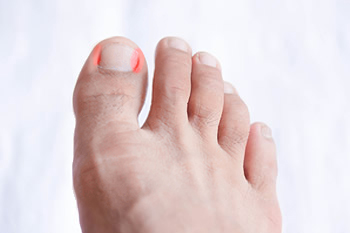 An ingrown toenail occurs when the toenail grows into the skin surrounding it. It can cause extreme pain and discomfort, and it can happen from cutting the toenails incorrectly. Noticeable symptoms can include redness, tenderness, and pus may drain from an infected toenail. Incurring a toenail injury, poor foot hygiene, or genetic factors may significantly contribute to developing an ingrown toenail. There are some patients who find mild relief when the affected foot is soaked, and this may make it easier to gently pull the skin away from the nail. Additionally, soaking the feet in epsom salt may help to reduce existing inflammation. If you have symptoms of an ingrown toenail, please schedule an appointment with a podiatrist who can effectively treat this uncomfortable condition.
Ingrown toenails can become painful if they are not treated properly. For more information about ingrown toenails, contact one of our podiatrists of Ankle & Foot Care Center. Our doctors can provide the care you need to keep you pain-free and on your feet.
Ingrown Toenails
Ingrown toenails occur when a toenail grows sideways into the bed of the nail, causing pain, swelling, and possibly infection.
Causes
- Bacterial infections
- Improper nail cutting such as cutting it too short or not straight across
- Trauma to the toe, such as stubbing, which causes the nail to grow back irregularly
- Ill-fitting shoes that bunch the toes too close together
- Genetic predisposition
Prevention
Because ingrown toenails are not something found outside of shoe-wearing cultures, going barefoot as often as possible will decrease the likeliness of developing ingrown toenails. Wearing proper fitting shoes and using proper cutting techniques will also help decrease your risk of developing ingrown toenails.
Treatment
Ingrown toenails are a very treatable foot condition. In minor cases, soaking the affected area in salt or antibacterial soaps will not only help with the ingrown nail itself, but also help prevent any infections from occurring. In more severe cases, surgery is an option. In either case, speaking to your podiatrist about this condition will help you get a better understanding of specific treatment options that are right for you.
If you have any questions please feel free to contact our office located in Jupiter, FL . We offer the newest diagnostic and treatment technologies for all your foot and ankle needs.
