
Hammertoe and Surgical Correction

Hammertoe is a foot deformity that causes a toe to bend downward at the middle joint. It most often affects the second, third, or fourth toe. The affected toe may look curled or raised near its base, with the middle joint pointing downward. Symptoms can include pain, stiffness, and difficulty wearing shoes. Corns or calluses may develop where the bent toe rubs against footwear. Without treatment, hammertoe can become more rigid and uncomfortable.

Hammertoe may develop because of muscle imbalance, inherited foot structure, or shoes that squeeze the toes. Risk factors include family history, aging, previous foot injuries, and wearing narrow footwear for most of the day. High heels can also increase pressure on the front of the foot. Hammertoe in the early stages may remain flexible, allowing the toe to move with pressure. As the deformity progresses, the joint may become stiff and fixed, making walking uncomfortable.


A podiatrist begins by examining the toe, checking its flexibility, and reviewing symptoms and footwear habits. Mild hammertoe may be treated with roomier shoes, padding, or orthotics. When the deformity causes persistent pain or becomes rigid, hammertoe surgery may be considered. Surgical correction depends on the severity and structure of the toe. The podiatrist may straighten the joint, release tight tissues, or remove a small portion of bone. The goal is to improve alignment and reduce painful pressure.


After surgery, the toe is protected with dressing, footwear, or immobilization while healing begins. Weight-bearing instructions depend on the procedure performed. Follow-up visits allow the podiatrist to check healing and monitor alignment. Recovery may also include gentle exercises to restore movement and strength. Do not ignore a toe that gradually becomes curled, painful, or difficult to fit into shoes. If you have hammertoe, it is suggested that you consult a podiatrist for effective treatment solutions, which may include surgery for relief and comfort.

Foot surgery is sometimes necessary to treat a foot ailment. To learn more, contact one of our podiatrists of Ankle & Foot Care Center. Our doctors will assist you with all of your foot and ankle needs.

When Is Surgery Necessary?

Foot and ankle surgery is generally reserved for cases in which less invasive, conservative procedures have failed to alleviate the problem. Some of the cases in which surgery may be necessary include:

  • Removing foot deformities like bunions and bone spurs
  • Severe arthritis that has caused bone issues
  • Cosmetic reconstruction

What Types of Surgery Are There?

The type of surgery you receive will depend on the nature of the problem you have. Some of the possible surgeries include:

  • Bunionectomy for painful bunions
  • Surgical fusion for realignment of bones
  • Neuropathy decompression surgery to treat nerve damage

Benefits of Surgery

Although surgery is usually a last resort, it can provide more complete pain relief compared to non-surgical methods and may allow you to finally resume full activity.

Surgical techniques have also become increasingly sophisticated. Techniques like endoscopic surgery allow for smaller incisions and faster recovery times.

If you have any questions, please feel free to contact our office located in Jupiter, FL . We offer the newest diagnostic and treatment technologies for all your foot care needs.

Read more about Foot and Ankle Surgery

Children’s Heel Pain and Sever’s Disease

Sever’s disease, also called calcaneal apophysitis, causes pain in the growth plate at the back of the heel, oftentimes affecting children. A growth plate is an area of developing bone found in children and teenagers. Repeated pulling from the Achilles tendon can irritate the growth plate, especially during periods of rapid growth. Heel pain usually becomes worse while walking, running, or participating in sports. The pain can affect one heel or both. Some children also limp or avoid placing full weight on the affected foot because of discomfort. Early evaluation helps identify the condition before pain begins to interfere with school, sports, and other daily activities.

Several factors increase the chance of developing Sever’s disease. Running and jumping sports place repeated stress on the heel. Tight calf muscles can increase pulling on the growth plate. Flat feet or high arches can also change how force is distributed across the foot. Shoes that lack proper support can place additional strain on the heel during activity. A podiatrist diagnoses the condition by discussing symptoms, examining the foot, and checking for tenderness around the back of the heel. Imaging tests are not always necessary, but they can help rule out other causes of heel pain when the diagnosis is uncertain.

A podiatrist creates a treatment plan that reduces stress on the irritated growth plate and improves comfort. Treatment includes custom orthotics, heel cushions, and  wearing supportive shoes. These options help reduce pressure and improve foot alignment while walking. Regular follow-up visits allow a podiatrist to monitor healing and adjust treatment as the child grows. Early care can reduce pain, improve mobility, and support a safe return to normal activities. Most children recover completely once the growth plate matures. If your active child has symptoms of Sever’s disease, it is suggested that you schedule an appointment with a podiatrist for effective relief and management tips. 

Sever's disease often occurs in children and teens. If your child is experiencing foot or ankle pain, see one of our podiatrists from Ankle & Foot Care Center. Our doctors can treat your child’s foot and ankle needs.

Sever’s Disease

Sever’s disease is also known as calcaneal apophysitis, which is a medical condition that causes heel pain I none or both feet. The disease is known to affect children between the ages of 8 and 14.

Sever’s disease occurs when part of the child’s heel known as the growth plate (calcaneal epiphysis) is attached to the Achilles tendon. This area can suffer injury when the muscles and tendons of the growing foot do not keep pace with bone growth. Therefore, the constant pain which one experiences at the back of the heel will make the child unable to put any weight on the heel. The child is then forced to walk on their toes.

Symptoms

Acute pain – Pain associated with Sever’s disease is usually felt in the heel when the child engages in physical activity such as walking, jumping and or running.

Highly active – Children who are very active are among the most susceptible in experiencing Sever’s disease, because of the stress and tension placed on their feet.

If you have any questions, please feel free to contact our office located in Jupiter, FL . We offer the newest diagnostic and treatment technologies for all your foot care needs.

Read more about Sever's Disease

Chronic Ankle Instability and Repeated Sprains

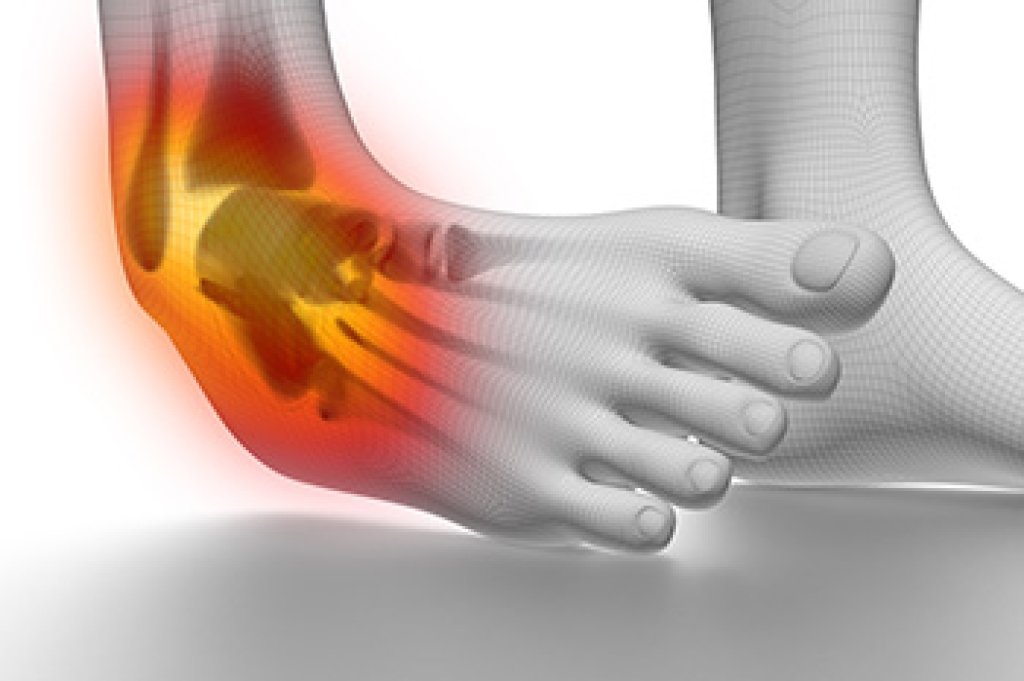
Recurrent ankle sprains occur when the ankle repeatedly experiences ligament injuries, often leading to chronic instability. This issue develops when the supporting ligaments fail to heal completely after an initial sprain. As a result, the ankle becomes less stable and more prone to injury during everyday activities. Chronic ankle instability can affect mobility, balance, and overall confidence in movement. Recognizing the definition and underlying causes of this condition is key to managing it effectively.

Common symptoms include persistent discomfort, swelling, and a sensation of weakness in the ankle. Many individuals report that the ankle feels unstable or prone to rolling, especially on uneven surfaces. These symptoms may appear even during light activity and can interfere with daily routines. Causes of recurrent ankle sprains often involve inadequate rehabilitation, which leaves the ligaments and surrounding muscles unprepared for stress. Without proper healing, the ankle remains vulnerable to repeated strain and injury.


Several risk factors contribute to the development of recurrent ankle sprains. A previous injury is one of the most significant factors, as it can weaken the structural support of the joint. Poor muscle strength, limited range of motion, and lack of balance training can also increase susceptibility. High risk activities such as sports that involve jumping or quick direction changes place additional strain on the ankle. Footwear that does not provide proper support can further increase the likelihood of repeated injuries. These combined factors explain why some individuals experience ongoing ankle issues.


Managing recurrent ankle sprains involves strengthening the joint, improving balance, and allowing adequate recovery time after injury. Preventive strategies such as wearing supportive shoes and performing targeted exercises can help reduce recurrence. Early evaluation is important to identify underlying instability and guide treatment. Taking proactive steps can restore function and prevent long-term complications. If you have recurrent ankle sprains, it is suggested that you consult a podiatrist for effective relief, treatment, and management solutions.

Although ankle sprains are common, they aren’t always minor injuries. If you need your ankle injury looked at, contact one of our podiatrists from Ankle & Foot Care Center. Our doctors can provide the care you need to keep you pain-free and on your feet.

How Does an Ankle Sprain Occur?

Ankle sprains are the result of a tear in the ligaments within the ankle. These injuries may happen when you make a rapid shifting movement while your foot is planted. A less common way to sprain your ankle is when your ankle rolls inward while your foot turns outward.

What Are the Symptoms?

  • Pain at the sight of the tear
  • Bruising/Swelling
  • Ankle area is tender to touch
  • In severe cases, may hear/feel something tear
  • Skin discoloration

Preventing a Sprain

  • Wearing appropriate shoes for the occasion
  • Stretching before exercises and sports
  • Knowing your limits

Treatment of a Sprain

In many cases, the RICE method (Rest, Ice, Compression, and Elevate) is used to treat ankle sprains. However, you should see a podiatrist to see which treatment option would work best with your injury. In severe cases, surgery may be required.

It is important to ask your doctor about rehab options after you receive treatment for your injury. Stretching, strength training, and balance exercises may help the ankle heal while also preventing further injury.

If you have any questions, please feel free to contact our office located in Jupiter, FL . We offer the newest diagnostic and treatment technologies for all your foot care needs.

Read more about Three Grades of Ankle Sprains

Are You Suffering From Ingrown Toenails?

If left untreated, an ingrown toenail can lead to more serious concerns, such as an infection. Knowing proper nail care can help in the prevention of an ingrown toenail. Give us a call, and get treated!

How Podiatrists Help Manage Arthritic Foot Problems

Arthritis can affect any joint in the body, including those found in the feet and ankles. When these joints become damaged or inflamed, everyday movements such as standing and walking may become painful. Foot arthritis can develop gradually, and symptoms often worsen. Common signs include joint pain, stiffness, and swelling. Some people also notice reduced flexibility or discomfort that increases after periods of activity. Because the feet contain numerous bones and joints that work together to support body weight, arthritis can significantly affect mobility and quality of life. A professional evaluation is important to determine the cause of foot pain and identify the most appropriate treatment for the affected joints.


Arthritic foot pain may change the way a person walks, placing additional stress on nearby joints and soft tissues. This altered movement can contribute to instability and make daily activities more challenging. Several forms of arthritis can affect the feet, including osteoarthritis, rheumatoid arthritis, and psoriatic arthritis. A comprehensive podiatry examination helps evaluate joint movement, foot alignment, and the extent of any structural changes. Imaging studies may also be recommended to better understand the condition and guide treatment decisions. Early diagnosis is important because timely care may help preserve joint function and reduce the progression of symptoms.


A podiatrist specializes in diagnosing and treating arthritis-related foot conditions, while developing care plans that address each patient's specific needs. Professional treatment focuses on reducing pain, improving mobility, and supporting healthy foot function. Care is based on the type of arthritis, the severity of symptoms, and the patient's activity level. Regular podiatry visits also allow changes in joint health to be monitored and treatment to be adjusted when necessary. If arthritis is causing foot pain, stiffness, or difficulty walking, it is suggested that you consult a podiatrist for an evaluation and appropriate treatment options.

Arthritis can be a difficult condition to live with. If you are seeking treatment, contact one of our podiatrists from Ankle & Foot Care Center. Our doctors can provide the care you need to keep you pain-free and on your feet.

Arthritic Foot Care  

Arthritis is a term that is commonly used to describe joint pain.  The condition itself can occur to anyone of any age, race, or gender, and there are over 100 types of it.  Nevertheless, arthritis is more commonly found in women compared to men, and it is also more prevalent in those who are overweight. The causes of arthritis vary depending on which type of arthritis you have. Osteoarthritis for example, is often caused by injury, while rheumatoid arthritis is caused by a misdirected immune system.

Symptoms

  • Swelling
  • Pain
  • Stiffness
  • Decreased Range of Motion

Arthritic symptoms range in severity, and they may come and go. Some symptoms stay the same for several years but could potentially get worse with time. Severe cases of arthritis can prevent its sufferers from performing daily activities and make walking difficult.

Risk Factors

  • Occupation – Occupations requiring repetitive knee movements have been linked to osteoarthritis
  • Obesity – Excess weight can contribute to osteoarthritis development
  • Infection – Microbial agents can infect the joints and trigger arthritis
  • Joint Injuries – Damage to joints may lead to osteoarthritis
  • Age – Risk increases with age
  • Gender –Most types are more common in women
  • Genetics – Arthritis can be hereditary

If you suspect your arthritis is affecting your feet, it is crucial that you see a podiatrist immediately. Your doctor will be able to address your specific case and help you decide which treatment method is best for you.

If you have any questions please feel free to contact our office located in Jupiter, FL . We offer the newest diagnostic tools and technology to treat your foot and ankle needs.

Read more about Arthritic Foot Care

Connect With Us

scroll to top