Items filtered by date: August 2025

Sunday, 31 August 2025 00:00

Are You Suffering From Ingrown Toenails?

If left untreated, an ingrown toenail can lead to more serious concerns, such as an infection. Knowing proper nail care can help in the prevention of an ingrown toenail. Give us a call, and get treated!

Tuesday, 26 August 2025 00:00

Causes and Symptoms of Foot Arthritis

Foot arthritis occurs when the cartilage in the joints wears down, leading to pain, stiffness, and swelling. Causes include the natural aging process, repetitive overuse of the feet, and genetic factors that make some individuals more prone to joint problems. Symptoms often include aching, reduced range of motion, and difficulty walking or standing for long periods. A podiatrist can diagnose foot arthritis through a physical exam and imaging, then recommend treatments such as custom orthotics, supportive footwear, exercises, and in some cases, surgery. If you experience persistent foot pain or stiffness, it is suggested that you consult a podiatrist who can offer effective relief tips.

Arthritis can be a difficult condition to live with. If you are seeking treatment, contact one of our podiatrists from Ankle & Foot Care Center. Our doctors can provide the care you need to keep you pain-free and on your feet.

Arthritic Foot Care  

Arthritis is a term that is commonly used to describe joint pain.  The condition itself can occur to anyone of any age, race, or gender, and there are over 100 types of it.  Nevertheless, arthritis is more commonly found in women compared to men, and it is also more prevalent in those who are overweight. The causes of arthritis vary depending on which type of arthritis you have. Osteoarthritis for example, is often caused by injury, while rheumatoid arthritis is caused by a misdirected immune system.

Symptoms

  • Swelling
  • Pain
  • Stiffness
  • Decreased Range of Motion

Arthritic symptoms range in severity, and they may come and go. Some symptoms stay the same for several years but could potentially get worse with time. Severe cases of arthritis can prevent its sufferers from performing daily activities and make walking difficult.

Risk Factors

  • Occupation – Occupations requiring repetitive knee movements have been linked to osteoarthritis
  • Obesity – Excess weight can contribute to osteoarthritis development
  • Infection – Microbial agents can infect the joints and trigger arthritis
  • Joint Injuries – Damage to joints may lead to osteoarthritis
  • Age – Risk increases with age
  • Gender –Most types are more common in women
  • Genetics – Arthritis can be hereditary

If you suspect your arthritis is affecting your feet, it is crucial that you see a podiatrist immediately. Your doctor will be able to address your specific case and help you decide which treatment method is best for you.

If you have any questions please feel free to contact our office located in Jupiter, FL . We offer the newest diagnostic tools and technology to treat your foot and ankle needs.

Read more about Arthritic Foot Care
Tuesday, 19 August 2025 00:00

Athlete’s Foot and Other Foot Infections

Fungal and bacterial foot infections can develop when microorganisms enter through small cracks or cuts in the skin. This typically occurs in moist environments like public showers, locker rooms, or around pools. One common fungal infection is athlete’s foot, which may cause peeling skin, redness, itching, or blisters, often between the toes or along the soles. If left untreated, it can spread and increase the risk of a toenail infection called onychomycosis, which can result in thickened, yellowed, or brittle nails. Bacterial infections, such as cellulitis or foot abscesses, may cause swelling, pain, heat, and drainage from the affected area and may spread quickly, if not properly treated. A podiatrist can perform a thorough exam and determine whether the infection is fungal or bacterial, before providing the appropriate treatment. If you believe you have a fungal or bacterial foot infection, it is suggested that you schedule an appointment with a podiatrist for an exam, diagnosis, and appropriate treatment.

Athlete’s foot is an inconvenient condition that can be easily reduced with the proper treatment. If you have any concerns about your feet and ankles, contact one of our podiatrists from Ankle & Foot Care Center.  Our doctors will treat your foot and ankle needs.

Athlete’s Foot: The Sole Story

Athlete's foot, also known as tinea pedis, can be an extremely contagious foot infection. It is commonly contracted in public changing areas and bathrooms, dormitory style living quarters, around locker rooms and public swimming pools, or anywhere your feet often come into contact with other people.

Solutions to Combat Athlete’s Foot

  • Hydrate your feet by using lotion
  • Exfoliate
  • Buff off nails
  • Use of anti-fungal products
  • Examine your feet and visit your doctor if any suspicious blisters or cuts develop

Athlete’s foot can cause many irritating symptoms such as dry and flaking skin, itching, and redness. Some more severe symptoms can include bleeding and cracked skin, intense itching and burning, and even pain when walking. In the worst cases, Athlete’s foot can cause blistering as well. Speak to your podiatrist for a better understanding of the different causes of Athlete’s foot, as well as help in determining which treatment options are best for you.

If you have any questions please feel free to contact our office located in Jupiter, FL . We offer the newest diagnostic and treatment technologies for all your foot and ankle needs.

Read more about Athlete's Foot

Wounds on the feet or ankles that heal slowly often result from underlying medical conditions that affect blood flow, nerve function, or immune response. Poor circulation, including peripheral artery disease or venous insufficiency, limits the supply of oxygen and nutrients to foot tissues, making it harder for wounds to close. Diabetes is another leading cause of slow-healing wounds, as prolonged high blood sugar can damage blood vessels and nerves, reducing both pain sensation and healing ability. Mechanical pressure from wearing ill-fitting shoes or prolonged immobility can also lead to sores that are slow to heal. A weakened immune system along with advancing age may further increase the risk. Chronic wounds can become infected and lead to complications, including the possibility of limb loss, if untreated. If you notice a foot or lower leg wound that is not healing properly, it is suggested that you schedule an immediate appointment with a podiatrist for an exam and appropriate treatment plan.

Wound care is an important part in dealing with diabetes. If you have diabetes and a foot wound or would like more information about wound care for diabetics, consult with one of our podiatrists from Ankle & Foot Care Center. Our doctors will assess your condition and provide you with quality foot and ankle treatment.

What Is Wound Care?

Wound care is the practice of taking proper care of a wound. This can range from the smallest to the largest of wounds. While everyone can benefit from proper wound care, it is much more important for diabetics. Diabetics often suffer from poor blood circulation which causes wounds to heal much slower than they would in a non-diabetic. 

What Is the Importance of Wound Care?

While it may not seem apparent with small ulcers on the foot, for diabetics, any size ulcer can become infected. Diabetics often also suffer from neuropathy, or nerve loss. This means they might not even feel when they have an ulcer on their foot. If the wound becomes severely infected, amputation may be necessary. Therefore, it is of the upmost importance to properly care for any and all foot wounds.

How to Care for Wounds

The best way to care for foot wounds is to prevent them. For diabetics, this means daily inspections of the feet for any signs of abnormalities or ulcers. It is also recommended to see a podiatrist several times a year for a foot inspection. If you do have an ulcer, run the wound under water to clear dirt from the wound; then apply antibiotic ointment to the wound and cover with a bandage. Bandages should be changed daily and keeping pressure off the wound is smart. It is advised to see a podiatrist, who can keep an eye on it.

If you have any questions please contact our office located in Jupiter, FL . We offer the newest diagnostic and treatment technologies for all your foot and ankle needs.

Read more about Wound Care

Clubfoot is a condition present at birth in which the foot appears twisted or turned inward. Although it may look severe, early treatment often leads to excellent outcomes. Most interventions begin soon after birth, typically with a method that gently moves the foot into better alignment using a series of casts. This process, commonly known as the Ponseti method, gradually reshapes the foot over several weeks. In some cases, a minor procedure is needed to release a tight tendon in the heel. Once corrected, the child will wear a special brace for a period of time to maintain the results and prevent the foot from returning to its original position. Long-term follow-up care ensures proper development as the child grows. With early care and guidance from a podiatrist, most children with clubfoot go on to walk, run, and play without difficulty. If your child is born with clubfoot, it is suggested that you see a podiatrist as quickly as possible so treatment can begin.

Congenital foot problems require immediate attention to avoid future complications. If you have any concerns, contact one of our podiatrists of Ankle & Foot Care Center. Our doctors can provide the care you need to keep you pain-free and on your feet.

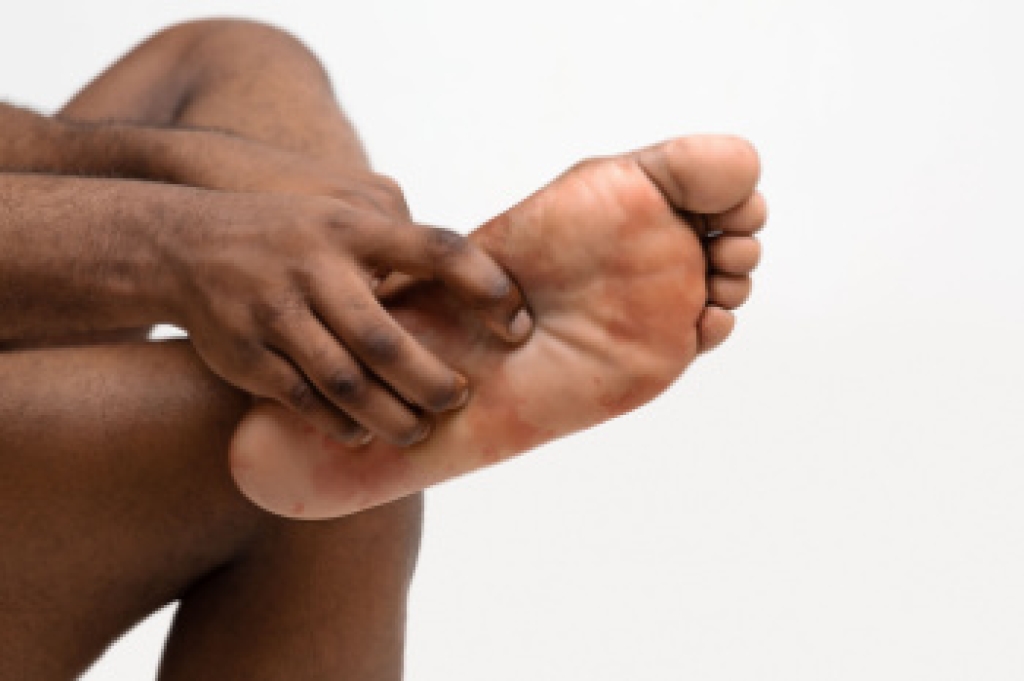
Congenital foot problems are deformities affecting the feet, toes, and/or ankles that children are born with. Some of these conditions have a genetic cause while others just happen. Some specific foot ailments that children may be born with include clubfeet, polydactyly/macrodactyly, and cleft foot. There are several other foot anomalies that can occur congenitally. What all of these conditions have in common is that a child may experience difficulty walking or performing everyday activities, as well as trouble finding footwear that fits their foot deformity. Some of these conditions are more serious than others. Consulting with a podiatrist as early as possible will help in properly diagnosing a child’s foot condition while getting the necessary treatment underway.

What are Causes of Congenital Foot Problem?

A congenital foot problem is one that happens to a child at birth. These conditions can be caused by a genetic predisposition, developmental or positional abnormalities during gestation, or with no known cause.

What are Symptoms of Congenital Foot Problems?

Symptoms vary by the congenital condition. Symptoms may consist of the following:

  • Clubfoot, where tendons are shortened, bones are shaped differently, and the Achilles tendon is tight, causing the foot to point in and down. It is also possible for the soles of the feet to face each other.
  • Polydactyly, which usually consists of a nubbin or small lump of tissue without a bone, a toe that is partially formed but has no joints, or an extra toe.
  • Vertical talus, where the talus bone forms in the wrong position causing other bones in the foot to line up improperly, the front of the foot to point up, and the bottom of the foot to stiffen, with no arch, and to curve out.
  • Tarsal coalition, when there is an abnormal connection of two or more bones in the foot leading to severe, rigid flatfoot.
  • Cleft foot, where there are missing toes, a V-shaped cleft, and other anatomical differences.
  • Macrodactyly, when the toes are abnormally large due to overgrowth of the underlying bone or soft tissue.

Treatment and Prevention

While there is nothing one can do to prevent congenital foot problems, raising awareness and receiving neonatal screenings are important. Early detection by taking your child to a podiatrist leads to the best outcome possible.

If you have any questions, please feel free to contact our office located in Jupiter, FL . We offer the newest diagnostic and treatment technologies for all your foot care needs.

Read more about Congenital Foot Problems

Suffering from this type of pain? You may have the foot condition known as Morton's neuroma. Morton's neuroma may develop as a result of ill-fitting footwear and existing foot deformities. We can help.

Connect With Us

scroll to top