
Have you noticed a bony protrusion on the side of your big toe? If so, you may have developed the foot condition known as a bunion. Don't let bunions interfere with your daily activities.
Have you noticed a bony protrusion on the side of your big toe? If so, you may have developed the foot condition known as a bunion. Don't let bunions interfere with your daily activities.
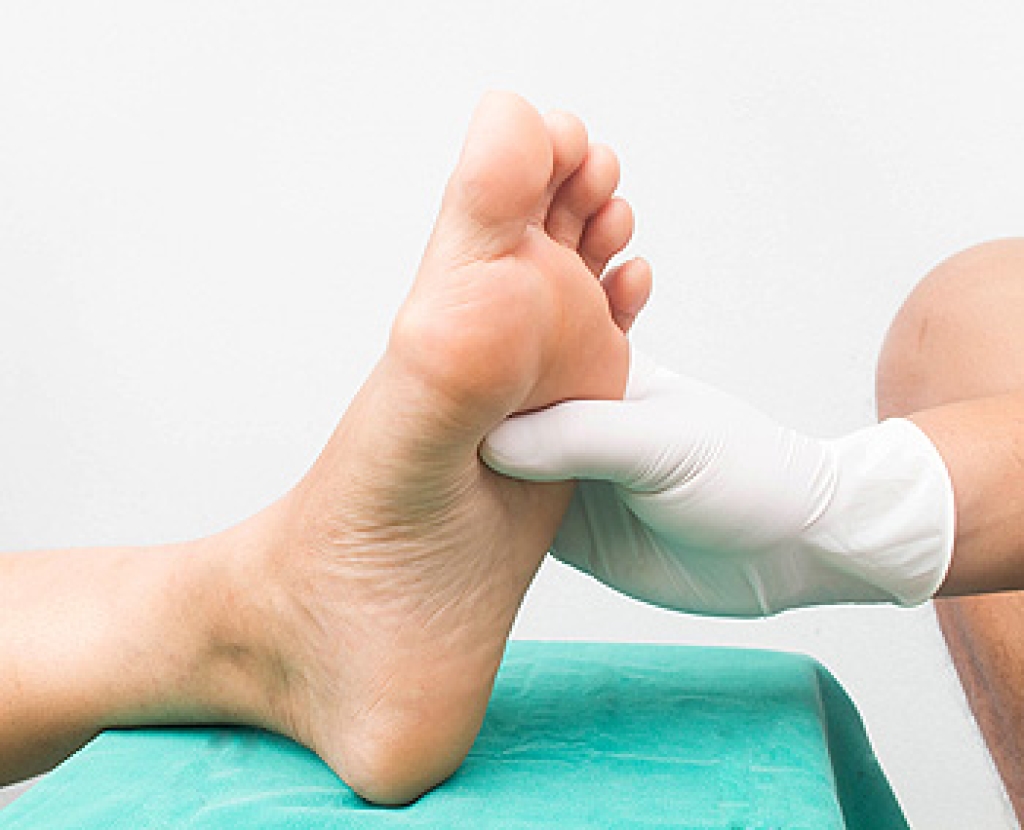
Peripheral neuropathy occurs when nerves outside the brain and spinal cord become damaged. In people with diabetes, high blood glucose levels can damage these nerves over time. The feet and legs are often affected first, although symptoms may eventually develop in the hands and arms. Peripheral neuropathy can cause numbness, tingling, or burning sensations. Some people experience sharp pain or become unusually sensitive to touch. Others may lose sensation in their feet, making it harder to notice pain or changes that would normally signal a foot problem.
Loss of feeling can create additional concerns for people with diabetic peripheral neuropathy. A cut, blister, or sore may go unnoticed when normal sensation is reduced. Without proper attention, an unnoticed injury can become infected and develop into a more serious foot complication. Neuropathy can also cause muscle weakness and affect balance or coordination. Symptoms are often worse at night and may interfere with sleep or everyday comfort. Since nerve damage can progress gradually, regular medical evaluation is important for identifying changes in sensation and protecting long-term foot health.
A podiatrist can examine the feet for signs of peripheral neuropathy and determine whether reduced sensation is affecting foot health. The evaluation may include checking sensitivity to touch, temperature, and vibration. A podiatrist can also inspect the feet for injuries or other changes that may be difficult for someone with neuropathy to feel. Managing blood glucose is an important part of slowing further nerve damage, while medical treatment may help manage nerve pain. Podiatric care can also help identify foot complications before they become more serious. Regular foot examinations are especially important for people with diabetes who have reduced sensation. If you are experiencing numbness, burning, or tingling in your feet, it is suggested that you consult a podiatrist for an evaluation and appropriate treatment options.
Neuropathy
Neuropathy can be a potentially serious condition, especially if it is left undiagnosed. If you have any concerns that you may be experiencing nerve loss in your feet, consult with one of our podiatrists from Ankle & Foot Care Center. Our doctors will assess your condition and provide you with quality foot and ankle treatment for neuropathy.
What Is Neuropathy?
Neuropathy is a condition that leads to damage to the nerves in the body. Peripheral neuropathy, or neuropathy that affects your peripheral nervous system, usually occurs in the feet. Neuropathy can be triggered by a number of different causes. Such causes include diabetes, infections, cancers, disorders, and toxic substances.
Symptoms of Neuropathy Include:
Those with diabetes are at serious risk due to being unable to feel an ulcer on their feet. Diabetics usually also suffer from poor blood circulation. This can lead to the wound not healing, infections occurring, and the limb may have to be amputated.
Treatment
To treat neuropathy in the foot, podiatrists will first diagnose the cause of the neuropathy. Figuring out the underlying cause of the neuropathy will allow the podiatrist to prescribe the best treatment, whether it be caused by diabetes, toxic substance exposure, infection, etc. If the nerve has not died, then it’s possible that sensation may be able to return to the foot.
Pain medication may be issued for pain. Electrical nerve stimulation can be used to stimulate nerves. If the neuropathy is caused from pressure on the nerves, then surgery may be necessary.
If you have any questions, please feel free to contact our office located in Jupiter, FL . We offer the newest diagnostic and treatment technologies for all your foot care needs.

Ankle pain can develop when the joint is injured, strained, or placed under more force than it can safely handle. Sports that involve jumping, twisting, or sudden changes in direction can increase the risk of ankle injuries. Basketball, volleyball, and tennis are examples. Ankle sprains are a frequent source of pain and occur when ligaments are stretched or torn. Ligaments are strong bands of tissue that connect bones and help stabilize joints. Most ankle sprains affect the ligaments along the outside of the ankle.
The severity of an ankle sprain depends on how much ligament damage has occurred. A mild sprain can cause limited pain and slight problems with balance. A moderate sprain can produce swelling, stiffness, and joint instability. A severe sprain involves a complete ligament tear and can cause major swelling or instability. High ankle sprains affect ligaments between the two lower-leg bones and can take longer to heal. Some occur with a fracture. Previous ankle injuries, poor balance, and reduced ankle strength can increase the risk of another injury.
A podiatrist can examine an ankle to determine what is causing the pain and how serious the injury is. The evaluation can include checking swelling, stability, and the ability to bear weight. X-rays can help rule out a fracture or dislocation when these injuries are suspected. A podiatrist can provide bracing or protective taping to support an injured ankle. Care can also focus on restoring strength, balance, and flexibility before a patient returns to sports or demanding activities. Severe ligament injuries can require a longer recovery, and some high ankle sprains can require surgery. Proper evaluation can also help reduce the chance of repeated ankle injuries. If you have ankle pain, it is suggested that you schedule an appointment with a podiatrist for a diagnosis and appropriate treatment.
Ankle pain can have many different causes and the pain may potentially be serious. If you have ankle pain, consult with one of our podiatrists from Ankle & Foot Care Center. Our doctors will assess your condition and provide you with quality foot and ankle treatment.
Ankle pain is any condition that causes pain in the ankle. Due to the fact that the ankle consists of tendons, muscles, bones, and ligaments, ankle pain can come from a number of different conditions.
Causes
The most common causes of ankle pain include:
Symptoms
Symptoms of ankle injury vary based upon the condition. Pain may include general pain and discomfort, swelling, aching, redness, bruising, burning or stabbing sensations, and/or loss of sensation.
Diagnosis
Due to the wide variety of potential causes of ankle pain, podiatrists will utilize a number of different methods to properly diagnose ankle pain. This can include asking for personal and family medical histories and of any recent injuries. Further diagnosis may include sensation tests, a physical examination, and potentially x-rays or other imaging tests.
Treatment
Just as the range of causes varies widely, so do treatments. Some more common treatments are rest, ice packs, keeping pressure off the foot, orthotics and braces, medication for inflammation and pain, and surgery.
If you have any questions please feel free to contact our office located in Jupiter, FL . We offer the newest diagnostic tools and technology to treat your foot and ankle needs.

Hammertoe is a foot deformity that causes a toe to bend downward at the middle joint. It most often affects the second, third, or fourth toe. The affected toe may look curled or raised near its base, with the middle joint pointing downward. Symptoms can include pain, stiffness, and difficulty wearing shoes. Corns or calluses may develop where the bent toe rubs against footwear. Without treatment, hammertoe can become more rigid and uncomfortable.
Hammertoe may develop because of muscle imbalance, inherited foot structure, or shoes that squeeze the toes. Risk factors include family history, aging, previous foot injuries, and wearing narrow footwear for most of the day. High heels can also increase pressure on the front of the foot. Hammertoe in the early stages may remain flexible, allowing the toe to move with pressure. As the deformity progresses, the joint may become stiff and fixed, making walking uncomfortable.
A podiatrist begins by examining the toe, checking its flexibility, and reviewing symptoms and footwear habits. Mild hammertoe may be treated with roomier shoes, padding, or orthotics. When the deformity causes persistent pain or becomes rigid, hammertoe surgery may be considered. Surgical correction depends on the severity and structure of the toe. The podiatrist may straighten the joint, release tight tissues, or remove a small portion of bone. The goal is to improve alignment and reduce painful pressure.
After surgery, the toe is protected with dressing, footwear, or immobilization while healing begins. Weight-bearing instructions depend on the procedure performed. Follow-up visits allow the podiatrist to check healing and monitor alignment. Recovery may also include gentle exercises to restore movement and strength. Do not ignore a toe that gradually becomes curled, painful, or difficult to fit into shoes. If you have hammertoe, it is suggested that you consult a podiatrist for effective treatment solutions, which may include surgery for relief and comfort.
Foot surgery is sometimes necessary to treat a foot ailment. To learn more, contact one of our podiatrists of Ankle & Foot Care Center. Our doctors will assist you with all of your foot and ankle needs.
When Is Surgery Necessary?
Foot and ankle surgery is generally reserved for cases in which less invasive, conservative procedures have failed to alleviate the problem. Some of the cases in which surgery may be necessary include:
What Types of Surgery Are There?
The type of surgery you receive will depend on the nature of the problem you have. Some of the possible surgeries include:
Benefits of Surgery
Although surgery is usually a last resort, it can provide more complete pain relief compared to non-surgical methods and may allow you to finally resume full activity.
Surgical techniques have also become increasingly sophisticated. Techniques like endoscopic surgery allow for smaller incisions and faster recovery times.
If you have any questions, please feel free to contact our office located in Jupiter, FL . We offer the newest diagnostic and treatment technologies for all your foot care needs.

Sever’s disease, also called calcaneal apophysitis, causes pain in the growth plate at the back of the heel, oftentimes affecting children. A growth plate is an area of developing bone found in children and teenagers. Repeated pulling from the Achilles tendon can irritate the growth plate, especially during periods of rapid growth. Heel pain usually becomes worse while walking, running, or participating in sports. The pain can affect one heel or both. Some children also limp or avoid placing full weight on the affected foot because of discomfort. Early evaluation helps identify the condition before pain begins to interfere with school, sports, and other daily activities.
Several factors increase the chance of developing Sever’s disease. Running and jumping sports place repeated stress on the heel. Tight calf muscles can increase pulling on the growth plate. Flat feet or high arches can also change how force is distributed across the foot. Shoes that lack proper support can place additional strain on the heel during activity. A podiatrist diagnoses the condition by discussing symptoms, examining the foot, and checking for tenderness around the back of the heel. Imaging tests are not always necessary, but they can help rule out other causes of heel pain when the diagnosis is uncertain.
A podiatrist creates a treatment plan that reduces stress on the irritated growth plate and improves comfort. Treatment includes custom orthotics, heel cushions, and wearing supportive shoes. These options help reduce pressure and improve foot alignment while walking. Regular follow-up visits allow a podiatrist to monitor healing and adjust treatment as the child grows. Early care can reduce pain, improve mobility, and support a safe return to normal activities. Most children recover completely once the growth plate matures. If your active child has symptoms of Sever’s disease, it is suggested that you schedule an appointment with a podiatrist for effective relief and management tips.
Sever's disease often occurs in children and teens. If your child is experiencing foot or ankle pain, see one of our podiatrists from Ankle & Foot Care Center. Our doctors can treat your child’s foot and ankle needs.
Sever’s Disease
Sever’s disease is also known as calcaneal apophysitis, which is a medical condition that causes heel pain I none or both feet. The disease is known to affect children between the ages of 8 and 14.
Sever’s disease occurs when part of the child’s heel known as the growth plate (calcaneal epiphysis) is attached to the Achilles tendon. This area can suffer injury when the muscles and tendons of the growing foot do not keep pace with bone growth. Therefore, the constant pain which one experiences at the back of the heel will make the child unable to put any weight on the heel. The child is then forced to walk on their toes.
Symptoms
Acute pain – Pain associated with Sever’s disease is usually felt in the heel when the child engages in physical activity such as walking, jumping and or running.
Highly active – Children who are very active are among the most susceptible in experiencing Sever’s disease, because of the stress and tension placed on their feet.
If you have any questions, please feel free to contact our office located in Jupiter, FL . We offer the newest diagnostic and treatment technologies for all your foot care needs.
Connect With Us
